The Essential Guide to AI Created Music Video in 2025
Imagine producing a visually stunning ai created music video in just minutes, all from your laptop or phone. No film crew, no costly equipment, just pure creative freedom at your fingertips.
In 2025, artificial intelligence is redefining how artists and creators bring their musical visions to life. This guide reveals how ai created music video technology is making the process accessible, affordable, and limitless in creative potential.
Discover the journey from early AI tools to today’s cutting-edge platforms. We will walk you through the core technologies, a step-by-step workflow, creative opportunities, ethical considerations, and what lies ahead. Ready to see what’s possible? Let’s dive in.
The Evolution of AI in Music Video Creation
The journey of the ai created music video is a story of rapid transformation. It begins with labor-intensive editing and arrives at a future where powerful AI tools put cinematic creativity in everyone’s hands. Let’s explore how each stage of this evolution has shaped today’s music video landscape.
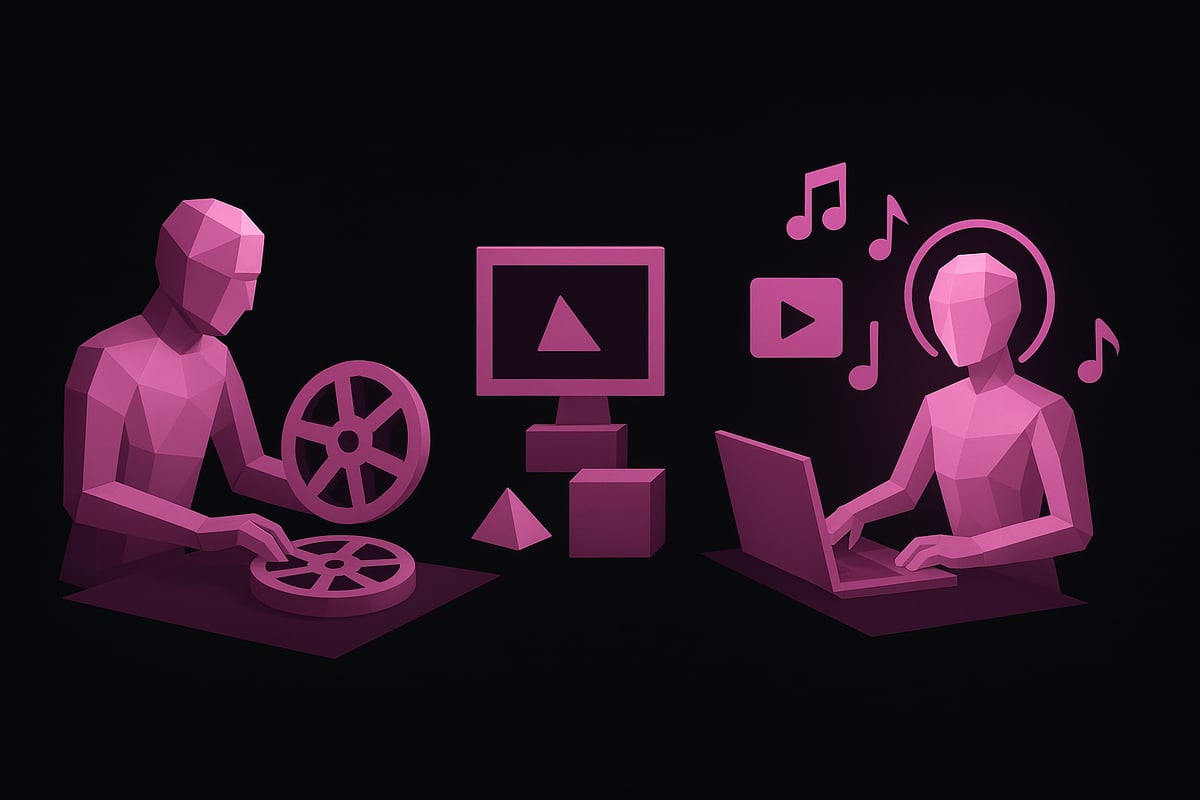
Early Days: Manual Editing to Automation
In the early 2010s and 2020s, music video production depended on manual editing, specialized crews, and expensive equipment. Creators spent countless hours perfecting each frame. The introduction of semi-automated tools brought the first taste of efficiency, allowing basic effects and transitions to be applied with a click.
Platforms like Lumen5 and Rotor Videos emerged, offering the first ai created music video experiences. However, their capabilities were limited. Early AI solutions could only manage simple tasks, such as adding filters or syncing visuals to a beat. Creative control was minimal, and videos often felt generic. Artists still needed technical skills to achieve professional results, keeping high-quality production out of reach for many.
Breakthroughs in AI Technology (2022-2024)
A wave of breakthroughs arrived between 2022 and 2024. Generative AI models such as Stable Diffusion and RunwayML unlocked the ability to create original video content from text or music input. This marked a turning point for the ai created music video, as tools could now interpret complex musical features and generate dynamic visual sequences.
AI-powered music generators like Suno and Udio influenced the way videos were produced, enabling tightly integrated audio-visual experiences. Deep learning advancements made it possible to produce lifelike visuals, smooth scene changes, and even AI-driven animation. According to AI Video Creation Trends 2025, these innovations set the stage for fully automated, yet highly creative, music video production.
The 2025 Landscape: Fully AI-Driven Production
By 2025, the ai created music video has become a fully AI-driven process. End-to-end workflows now handle everything from analyzing the mood, tempo, and lyrics of a song to rendering a complete video ready for publication. AI interprets emotional cues and musical structure, crafting visuals that tell a story tailored to each track.
Market data reveals that over 70 percent of indie music videos in 2025 leverage some form of AI. Viral TikTok hits are now frequently generated using nothing but AI tools. These platforms can instantly synchronize visuals to complex rhythms, making professional-quality music video creation accessible to artists at every level.
Democratization of Music Video Creation
Perhaps the most profound change is the democratization sparked by the ai created music video revolution. Costs have plummeted, and user-friendly interfaces now empower independent artists and small labels to produce eye-catching videos without prior editing experience.
New platforms allow creators to select styles, drag and drop assets, and experiment with visual effects in real time. For example, one indie artist produced a viral ai created music video with zero video editing background, relying solely on AI’s intuitive guidance. This shift is ushering in a new era where anyone with a vision and a song can share their story with the world.
Core Technologies Powering AI Music Video Creation in 2025
The rapid growth of the ai created music video landscape in 2025 is driven by an impressive set of core technologies. These innovations make it possible for creators to turn audio tracks into visually stunning videos with minimal effort and maximum creativity. Let us explore the building blocks powering this transformation.
Audio Analysis and Synchronization
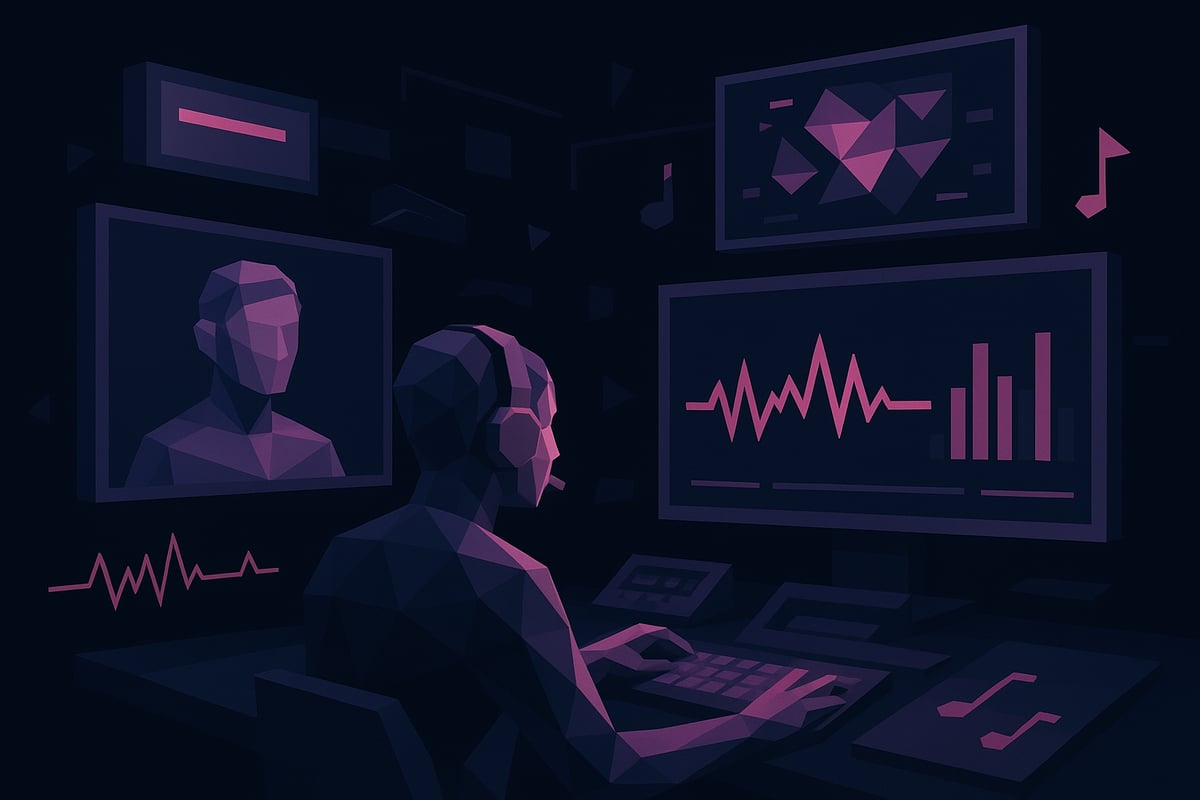
At the heart of every ai created music video is advanced audio analysis. AI models parse the tempo, rhythm, mood, and even the lyrics of a track to craft visuals that fit seamlessly. Real-time beat detection allows for perfectly timed scene transitions, ensuring the visuals are always in sync with the audio.
Imagine uploading a song with complex polyrhythms. AI instantly detects each beat, mapping visual changes to the music’s intricate structure. This means that even unconventional tracks receive dynamic, engaging video treatments.
- Parses mood and energy for visual mapping
- Real-time synchronization for live or recorded tracks
- Adapts scene changes to match musical intensity
These capabilities ensure that the ai created music video process is both precise and expressive, allowing every beat and lyric to influence the visual story.
Generative Visual AI Models
Generative AI models, such as diffusion models and GANs, have revolutionized the creation of original video content. These tools can generate everything from surreal fantasy landscapes to realistic digital avatars, all tailored to the mood of the music.
For example, artists can request a video set in a neon-lit city or a dreamlike 3D environment, and AI will craft it from scratch. The result is an ai created music video that is visually unique and deeply personalized.
- AI-generated avatars and performers
- 3D environments and animation
- Style customization for limitless creativity
To explore the platforms empowering these features, see the Best AI Music Video Creation Tools 2025 for an in-depth review of leading solutions.
Lip-Sync and Motion Capture
A pivotal component of the ai created music video experience is realistic lip-sync and motion capture. Deep learning algorithms analyze vocal tracks and replicate mouth movements, facial expressions, and gestures in digital performers or avatars. This technology enables creators to feature lifelike singers or dancers, even if no human appears on camera.
Data from the AI Video Report 2024 shows that over 80% of AI music videos in 2025 use advanced lip-sync technology. This ensures that performances feel authentic and immersive, whether the subject is a digital character or a stylized avatar.
- Realistic mouth and facial animation
- Integration with custom avatars
- Supports expressive, emotive video storytelling
This technology brings a new level of realism and engagement to the ai created music video format.
Editing, Effects, and Customization
Modern AI editing suites deliver automated color grading, transitions, and special effects, making the ai created music video process efficient and flexible. Creators can apply style transfer, use built-in asset libraries, or add filters like a retro VHS look in an instant.
Key customization features include:
- Real-time previews and frame-by-frame adjustment
- Automated effects for consistent quality
- Broad selection of visual styles and assets
With these tools, artists maintain creative control while benefiting from AI-driven speed and convenience.
| Technology | Function | Example Use Case |
|---|---|---|
| Audio Analysis | Beat, mood, and lyric parsing | Scene transitions synced to tempo |
| Generative Visual AI | Create visuals, avatars, and environments | Custom 3D animated landscapes |
| Lip-Sync & Motion Cap. | Realistic mouth/facial animation | Avatar sings lyrics with emotion |
| Editing & Effects | Automated grading, style, transitions | Apply retro or cinematic video effects |
| Multi-Platform Export | Auto-format for social platforms | Export video for TikTok, YouTube, Insta |
Multi-Platform Export and Optimization
Once an ai created music video is finished, AI-powered export tools take over. These systems auto-format videos for platforms like TikTok, YouTube, and Instagram, adjusting aspect ratios, durations, and compression settings automatically.
A creator can export the same video in vertical, square, and horizontal formats in under five minutes. This multi-platform optimization ensures that the ai created music video reaches audiences wherever they are, with visuals perfectly tailored to each channel.
- Auto-detects best aspect ratio per platform
- Handles video compression for fast uploads
- Streamlines sharing and audience reach
This seamless export process is essential for maximizing engagement and ensuring professional results.
Step-by-Step Workflow: Creating an AI Music Video in 2025
Embarking on an ai created music video project in 2025 has never been more approachable. With advanced AI tools, even first-time creators can produce professional results. Follow this workflow to bring your musical vision to life, from concept to viral-ready video.
Step 1: Preparing Your Audio and Concept
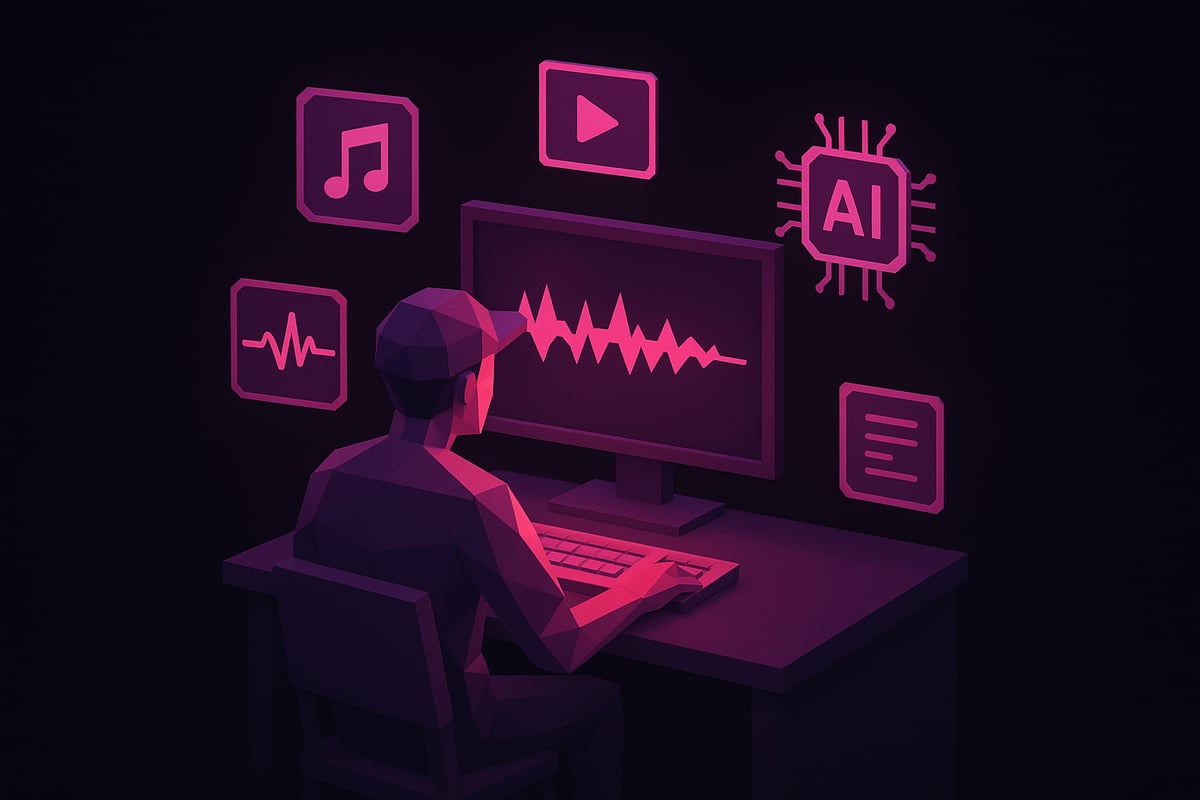
Begin your ai created music video journey by selecting or generating your music track. Whether you use original compositions, AI-generated songs, or creative remixes, the audio forms the backbone of your project.
Next, brainstorm a clear concept. Define the mood, visual style, and narrative you want to express. Create a mood board or gather clips from trending AI music videos to inspire your direction.
Consider what emotions you want your ai created music video to evoke. Will it be energetic, dreamy, or cinematic? Setting the right foundation ensures cohesion between music and visuals.
Step 2: Selecting the Right AI Video Platform
Choosing a suitable platform is crucial for your ai created music video. Evaluate options based on ease of use, creative flexibility, export formats, and budget.
Look for platforms offering intuitive interfaces, customizable templates, and robust asset libraries. Prioritize those that support high-resolution exports and a range of aspect ratios.
Consider privacy, data security, and copyright terms. Some platforms also provide collaborative features, allowing you to co-create with others. Selecting wisely here sets the stage for a smooth production experience.
Step 3: Uploading and Analyzing Your Track
Once your platform is chosen, upload your audio file to kick off the ai created music video process. The AI will analyze tempo, rhythm, mood, and lyrics to generate a visual blueprint.
Most tools let you set preferences for pacing, energy, and visual effects. For example, you can highlight a chorus with dynamic transitions or slow down visuals during a bridge.
Experiment with these settings to see how the AI interprets your music. Adjust energy levels for different sections to create an engaging, synchronized journey.
Step 4: Customizing Visuals and Effects
Now, personalize your ai created music video by customizing visuals, avatars, and effects. Use AI-recommended assets or upload your own images and clips for a unique touch.
Enhance the video with motion graphics, lip-sync features, or animated backgrounds. Many platforms offer real-time previews, so you can fine-tune scenes frame by frame.
Leverage style filters, color grading, and transitions to match your artistic vision. This customization step is where your creativity truly shines.
Step 5: Previewing, Editing, and Finalizing
After AI generation, carefully review your ai created music video draft. Watch for timing, transitions, and overall flow.
Make manual adjustments as needed—reorder scenes, tweak effects, or enhance color grading. Many platforms allow collaboration, so share drafts with co-creators or trusted peers for feedback.
Iterate until you’re satisfied with the narrative and pacing. A thorough review ensures your final product feels polished and professional.
Step 6: Exporting and Sharing
With your ai created music video complete, choose export settings tailored to your target platforms. Optimize for vertical, square, or horizontal formats depending on where you plan to share.
AI platforms often handle compression and formatting automatically, saving time and ensuring compatibility. Schedule your release to align with peak audience engagement times.
Share across TikTok, YouTube, Instagram, and other channels to maximize reach. Monitor performance and adjust future videos based on audience response.
Examples and Best Practices
To see the full potential of an ai created music video, explore real-world workflows and expert tips. For a practical, step-by-step guide, visit How to Create AI Music Videos.
Best practices include:
- Keeping your artistic identity at the forefront
- Experimenting with AI features for unique results
- Reviewing analytics to refine future projects
Data shows that ai created music video content consistently outperforms static audio tracks in engagement. Stay adaptable and let AI amplify, not replace, your creative voice.
Creative Possibilities and Limitations of AI Music Videos
The ai created music video has transformed how artists approach visual storytelling. Boundaries once defined by budget, skill, or access to technology are dissolving. Today, creators can produce visually stunning videos that rival big-budget productions, often with just a few clicks.
Expanding Creative Boundaries
With ai created music video platforms, artists are not limited by traditional video tools. These solutions offer surreal effects, unique animation, and rapid experimentation. For example, musicians can quickly prototype multiple styles, from 3D worlds to abstract visuals, without technical expertise.
Some artists have even won online awards with videos produced entirely through AI. The ability to remix, iterate, and apply different aesthetics rapidly is a game-changer. For those seeking inspiration and practical advice, resources like Viral AI Music Video Tips offer strategies to maximize creative impact and audience engagement.
Collaboration Between Humans and AI
The ai created music video process thrives on collaboration. Human vision blends with AI-generated suggestions, creating results that feel both personal and innovative. Artists can upload custom assets, override AI choices, or guide the style with prompts and feedback.
Bands and solo musicians have used AI to visualize abstract lyrics, translating emotion into moving visuals. This partnership between creativity and automation allows for new forms of expression. The workflow is flexible, letting creators retain control while benefiting from AI efficiency.
Challenges and Limitations
Despite the promise, the ai created music video is not without its challenges. The quality of AI-generated content can vary, with some outputs lacking polish or feeling generic. Over-reliance on popular templates may result in visuals that look similar across projects.
Creators must also consider the rapid growth of the AI music industry, projected to reach 6.2 billion dollars by 2025. This expansion brings competition and higher expectations for originality. Viral backlash against formulaic AI videos highlights the importance of pushing creative boundaries.
Copyright and Ethical Considerations
The ai created music video introduces complex copyright and ethical questions. Who owns the visuals generated by AI? Artists must understand the terms of each platform, especially when using avatars or deepfake technology.
Ethical use extends to respecting likenesses and ensuring that AI-generated representations do not infringe on individual rights. Surveys show that 60 percent of creators express concern over copyright issues. As the field grows, clear guidelines and responsible usage become essential for sustainable creativity.
Maintaining Artistic Identity
To stand out, an ai created music video should reflect the artist’s unique voice. Balancing automation with personal storytelling is key. Customizing visuals, tweaking AI recommendations, and incorporating original assets ensure that the final product feels authentic.
Artists are encouraged to experiment boldly while maintaining a clear vision. For more on maximizing creativity without sacrificing identity, check out Viral AI Music Video Tips. This approach helps creators harness AI’s power while staying true to their artistic intent.
The Impact of AI Music Videos on the Industry and Culture
The rise of the ai created music video has sent ripples through every corner of the music industry. What started as a niche experiment now shapes how artists create, share, and connect with global audiences. Let us explore how these changes are redefining the creative landscape for musicians and fans alike.
Democratization and Accessibility
The ai created music video has dramatically lowered entry barriers for independent artists and creators worldwide. Now, anyone with a song and an idea can produce a professional looking video without expensive gear or technical skills. This shift empowers marginalized voices and niche genres, allowing more diverse stories to reach global audiences.
For example, a bedroom producer can now craft a viral hit with nothing but a laptop and AI software. The impact of AI is clear—AI-generated music streamed over 1 billion times on Spotify in 2023, showing just how mainstream these tools have become. As a result, creative opportunities are more accessible than ever.
Shifting Roles in the Creative Economy
The emergence of the ai created music video is redefining traditional roles in the creative process. Directors, editors, and visual artists are adapting to a landscape where AI handles much of the technical work. New careers are emerging, such as AI video curators, prompt engineers, and creative technologists.
These roles focus on guiding AI tools to produce unique results, blending human creativity with machine efficiency. Artists now collaborate with AI, using their vision to direct the technology and bring new ideas to life. The industry is witnessing a shift from manual production to creative orchestration.
Audience Engagement and Virality
One of the most striking effects of the ai created music video is its ability to drive audience engagement. AI powered videos are optimized for platforms like TikTok and Instagram, sparking higher shares, comments, and remix culture. Fans can interact with videos, personalize content, or even contribute their own footage.
This creates a cycle of participation and virality, with each new remix or share amplifying the original work. For artists, this means greater reach and deeper connection with their audience. The interactive possibilities are only expanding as AI tools evolve.
Industry Adoption and Monetization
The ai created music video is not just a tool for indie creators—major record labels and brands are embracing it for marketing and content production. Subscription models and pay-per-use platforms are now common, offering scalable solutions for any budget. The market is booming, with the AI music video production industry expected to reach $2B by 2026.
Mainstream platforms are also integrating AI into their ecosystems. For instance, YouTube integrates AI tools for content creation, reflecting a broader industry shift toward automation and innovation. These changes signal that AI will remain central to the future of music video production.
Cultural and Artistic Shifts
The ai created music video is challenging long held ideas about what a music video can be. With AI, creators can experiment with surreal visuals, interactive elements, and new storytelling formats. This sparks ongoing debates about authenticity, creativity, and the value of human touch in digital art.
As AI becomes more involved, artists and audiences are redefining the essence of music videos. The conversation is dynamic, with some celebrating the limitless possibilities, while others call for thoughtful balance between automation and artistry. One thing is clear—the cultural landscape of music video creation has changed forever.
After exploring how AI is transforming music video creation—making it faster, more affordable, and accessible to everyone—it’s clear that the tools you need are already at your fingertips. Whether you’re an independent artist, a content creator, or just passionate about visual storytelling, you can now bring your ideas to life with professional results and minimal effort. If you’re ready to experience the creative freedom and efficiency these technologies offer, there’s no better time to dive in. Take your next step and Start Creating Now to see what you can achieve with AI-powered music video generation.