The Ultimate Guide to AI Music Video Creation in 2025
Imagine turning any song into a visually stunning masterpiece with just a few clicks. Thanks to ai music video technology, musicians and creators can now produce professional-quality music videos in minutes, no technical skills needed.
This guide will show you how ai music video tools are transforming the creative process in 2025. Discover the evolution of this technology, step-by-step workflows, leading platforms, creative customization, real-world case studies, and what the future holds.
Ready to unlock effortless video creation, amplify your music’s impact, and take control of your visual branding? Let’s dive in and explore the possibilities together.
The Evolution of AI Music Video Creation
The journey of the ai music video began with the traditional production process, which was both costly and technically demanding. In the early days, creating a professional music video meant hiring a full crew, renting equipment, and investing weeks or even months in editing. This limited high-quality video production to major labels and well-funded artists, leaving independent creators with few options.
A Brief History of Music Video Production
By the 2010s and 2020s, the rise of digital tools and the DIY movement started to change the landscape. Creators could now use affordable cameras and basic editing software. Despite this shift, making a compelling ai music video still required significant time, skill, and often relied on stock footage. Manual editing presented creative limitations and made it tough for emerging artists to stand out.
- High costs and technical barriers
- Limited creative options for indie artists
- Dependence on stock footage for visuals
Emergence of AI in Video Production
The next major leap was the introduction of AI-powered tools. Early ai music video visualizers focused on simple waveform animations or syncing lyrics with basic backgrounds. Platforms like Neural Frames and Revid.ai, launched around 2023 and 2024, brought a new level of automation. These tools could analyze audio to extract mood, tempo, and even lyrics, then generate visuals that matched the song’s vibe with minimal user input.
- AI began automating visual generation
- Audio analysis for more relevant visuals
- User-friendly interfaces for creators
Key Technological Breakthroughs Leading to 2025
By 2025, deep learning models had transformed the ai music video process. Advanced text-to-video and audio-reactive animation allowed for unique, dynamic videos. Real-time processing enabled creators to see instant previews, while 4K rendering became standard. Integration with AI music generators like Suno and Udio allowed seamless workflows from music creation to video production.
| Feature | 2020 | 2025 |
|---|---|---|
| Video Resolution | HD | 4K |
| Processing Speed | Hours | Real-time |
| Customization | Limited | Extensive |
| AI Integration | Basic | Deep learning |
Democratization of Video Creation
Perhaps the most significant impact of ai music video technology is democratization. Today, indie artists, DJs, and content creators worldwide can craft professional videos without specialized skills or large budgets. Costs have dropped dramatically, with some platforms offering free or low-cost options. For example, Neural Frames supports over 23,500 artists, while 1 More Shot is trusted by 50,000+ creators globally.
- Affordable or free access for all creators
- Global reach and inclusive user base
- No technical expertise required
Impact on the Music Industry
The ai music video revolution has reshaped how audiences discover music. With 68 percent of listeners finding new songs via short-form video, visual content is now essential for promotion and branding. Social media and streaming platforms constantly demand fresh video assets. Empowered by AI, artists have greater control over their image and output, while the music business sees new growth opportunities. According to AI’s Impact on Music Industry Revenue, AI-driven tools are playing a measurable role in expanding industry revenue and reach.
How AI Music Video Generators Work: Step-by-Step Process
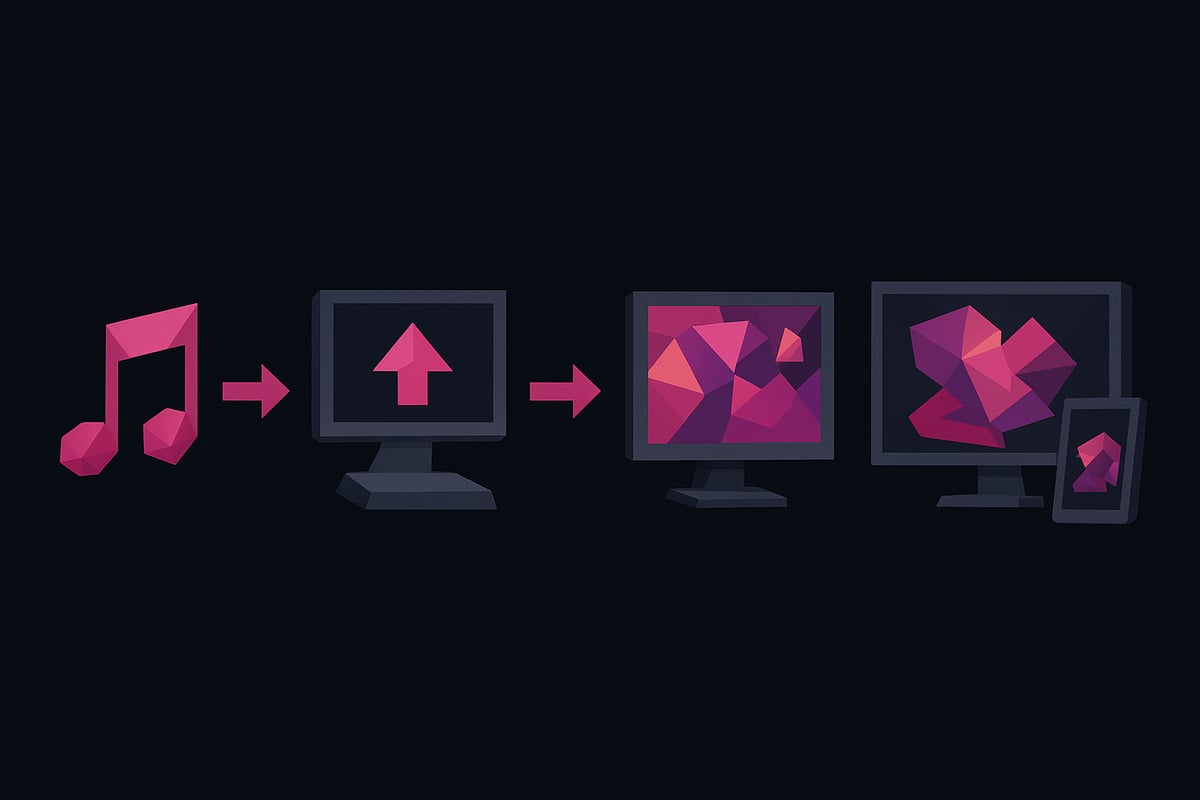
Creating an ai music video is now a streamlined process anyone can follow. Whether you are an artist, DJ, or content creator, these platforms are designed for simplicity and flexibility. Below, discover the essential steps to turn your audio into a captivating ai music video, from upload to instant sharing.
Step 1: Upload Your Track or Media
Start your ai music video journey by uploading your audio or video file to the chosen platform. Most generators support a wide range of formats, including:
- MP3
- WAV
- AAC
- M4A
- MP4
- MOV
- AVI
- WMV
The quality of your input directly impacts the final ai music video. Higher resolution files produce crisper visuals and better audio sync. Many platforms accept both standalone audio and existing video, offering flexibility for various creative needs.
Step 2: Select Your Visual Style
With your track uploaded, the next step in crafting an ai music video is choosing the visual direction. Options typically include:
- AI-generated clips
- Stock footage
- Moving images created by AI
- User-uploaded media
Many tools offer preset styles like anime, realism, Ghibli, Pixar, pixel art, and 3D render. Selecting a visual style that matches your music genre and mood ensures your ai music video feels cohesive and engaging. For a detailed walkthrough, refer to this How to Create AI Music Videos guide.
Step 3: Customize and Fine-Tune
Personalize your ai music video with a range of customization features. Most platforms let you:
- Add sound wave animations
- Insert lyric captions
- Sync visuals to beats
- Apply unique visual effects
Advanced editors offer frame-by-frame control, while autopilot modes automate the process for quick results. Editing tools allow precise timing, custom transitions, and personal branding elements, giving your ai music video a signature look.
Step 4: Generate and Preview
Once customization is complete, the AI analyzes your audio to extract mood, tempo, and lyrics. The platform then generates a real-time preview of your ai music video. You can watch the video instantly and adjust elements if needed. This step ensures your visuals align perfectly with the music, delivering a professional result before export.
Step 5: Export and Share
After perfecting your ai music video, choose your desired export settings. Most platforms support:
| Format | Ideal For |
|---|---|
| Landscape | YouTube |
| Portrait | TikTok, Instagram |
| Square | Instagram Feed |
Export in HD or 4K resolution, with paid plans often removing watermarks. Download your ai music video or publish directly to social platforms for immediate audience engagement.
Real-World Example Workflows
The practical impact of ai music video tools is clear in real-world scenarios:
- An indie artist creates a lyric video for a new single in under 10 minutes.
- A DJ prepares animated visualizers for a live set and social reels.
- A record label automates ai music video production for multiple releases, saving time and resources.
Whatever your role, these tools empower you to produce stunning visuals with minimal effort, making the ai music video process more accessible than ever.
Top AI Music Video Generators and Platforms in 2025
Choosing the right ai music video platform can unlock new creative possibilities and help you stand out in a crowded digital landscape. In 2025, a handful of platforms are setting the standard for speed, quality, and customization. Let’s explore the top options and see how they compare for artists, DJs, and content creators.
Neural Frames
Neural Frames is a leader in ai music video generation, especially for creators seeking deep control over visuals. Its audio-reactive technology automatically syncs visuals to the beat, mood, and tempo of your track.
The platform supports up to 10-minute videos in 4K resolution, making it ideal for both singles and extended mixes. Artists can fine-tune every frame or use smart automation for fast results. With over 23,587 users worldwide, Neural Frames appeals to musicians who want both flexibility and professional polish in their ai music video projects.
Revid.ai
Revid.ai specializes in studio-quality ai music video creation, offering a wide range of visual presets, from anime and Pixar to ultra-realism and manga. The AI engine handles lyric syncing, beat detection, and sound wave visualization, allowing creators to craft dynamic videos in minutes.
The built-in editor lets you refine every detail, whether you upload audio or existing video. Revid.ai is perfect for those who want cinematic visuals without technical headaches. Its versatility makes it a top choice for musicians aiming to align their ai music video with their brand and genre.
1 More Shot: AI-Powered Music Video Generator
1 More Shot stands out for its lightning-fast ai music video generation and user-friendly interface. The platform analyzes rhythm, tempo, and mood to create professional-grade videos from any audio track in under five minutes.
A standout feature is its industry-leading lip-sync technology, which brings performance visuals to life. Multiple export formats are available for all social platforms, and there are no watermarks, even on free trials. Trusted by over 50,000 creators, 1 More Shot is ideal for anyone wanting instant, high-quality results. For a comprehensive breakdown of these platforms, see the Best AI Music Video Tools 2024 guide.
Comparative Analysis
How do these ai music video platforms stack up? Here is a quick comparison:
| Feature | Neural Frames | Revid.ai | 1 More Shot |
|---|---|---|---|
| Lyric Sync | Yes | Yes | Yes |
| Visual Presets | Moderate | Extensive | Moderate |
| Editing Tools | Advanced | Built-in | Streamlined |
| Export Options | 4K, multi-ratio | Multi-format | Multi-format |
| User Base | 23,587+ | N/A | 50,000+ |
| Free Trial | Yes | Yes | Yes |
Each platform offers unique strengths. Neural Frames provides granular control, Revid.ai excels in visual variety, and 1 More Shot is unmatched for speed and usability. Pricing and community support vary, with flexible subscription options and large help centers for troubleshooting ai music video issues.
Niche and Emerging Platforms
Beyond the main players, new ai music video tools are emerging to serve specialized needs. Some platforms focus on TikTok, YouTube Shorts, or Instagram Reels, optimizing formats for each channel. Others provide visualizers tailored to instrumental or electronic music.
Integration with AI music generators like Suno and Udio is also gaining traction. These niche solutions let creators experiment with unique visual styles or automate content for multiple releases, expanding the possibilities for every ai music video project.
Customization and Creative Control with AI Tools
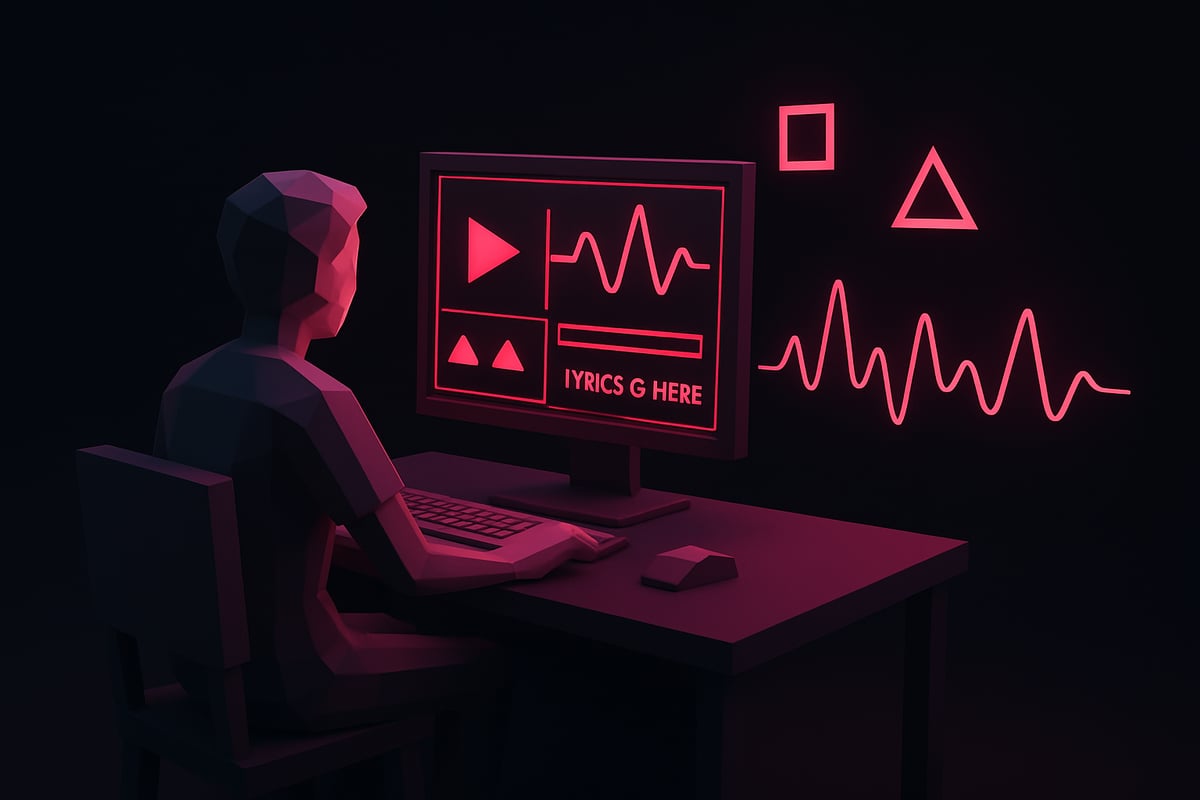
Unlocking creative freedom is at the heart of every ai music video. Today’s AI platforms empower creators to craft videos that are not only visually captivating but also highly personalized. Let’s explore how modern tools put the power of customization directly in your hands.
Visual Styles and Presets
One of the most exciting aspects of ai music video creation is the vast array of visual styles available. Platforms offer extensive libraries featuring anime, cartoon, 3D, pixel art, cinematic, and retro themes.
You can choose from ready-made presets or enter custom prompts to generate unique visuals tailored to your song. Many creators blend AI-generated imagery with stock footage, achieving a hybrid look that stands out.
Whether you want a dreamy Ghibli-inspired backdrop or a futuristic pixel landscape, the right visual style can elevate your ai music video and reinforce your musical identity.
Audio-Reactive and Beat-Synced Effects
Modern ai music video tools use advanced algorithms to analyze your track’s rhythm, tempo, and mood. This enables real-time generation of visuals that pulse, shift, and animate in perfect sync with your audio.
Imagine trippy landscapes that morph with every beat or minimal waveforms dancing gently for ambient tracks. Automatic detection of mood shifts and tempo changes ensures the visuals always match the song’s energy.
These audio-reactive effects not only make your ai music video more engaging but also help communicate the emotion behind your music.
Lyric and Caption Integration
Lyrics are a powerful storytelling tool in any ai music video. AI platforms now extract and synchronize lyrics automatically, eliminating hours of manual editing.
You can select from multiple animation styles for captions, including kinetic text, floating overlays, or bold, cinematic subtitles. Customize font, color, and placement to align with your branding.
This seamless integration lets you highlight key lyrics, create singalong moments, and add context, making your ai music video more interactive and accessible.
Editing and Fine-Tuning Tools
Full creative control is possible with robust editing and fine-tuning features. AI platforms allow both frame-by-frame precision and autopilot modes for rapid production.
Real-time preview means you can instantly see how changes affect your ai music video. Drag-and-drop asset libraries enable easy addition of custom images, logos, or branding elements.
Editing tools for timing, transitions, and effects help you polish every detail, ensuring your final video matches your vision perfectly.
Export Options and Social Media Optimization
Export flexibility is crucial for sharing your ai music video across platforms. Most tools offer aspect ratios like 16:9, 9:16, and 1:1, optimized for YouTube, TikTok, and Instagram.
You can export in HD or 4K resolution, often watermark-free with paid plans. Direct download and instant sharing options streamline the publishing process.
Here’s a quick comparison of typical export features:
| Aspect Ratio | Resolution | Platform Compatibility |
|---|---|---|
| 16:9 | HD, 4K | YouTube, Facebook |
| 9:16 | HD, 4K | TikTok, Instagram |
| 1:1 | HD, 4K | Instagram, Facebook |
With these options, your ai music video looks professional everywhere.
User Stories and Examples
Creators across genres are leveraging ai music video tools to boost engagement and reach. Musicians report doubling their streams after releasing visually stunning videos.
DJs and producers enhance their live sets with custom, audio-reactive backdrops. Record labels automate lyric video production, saving time and resources.
For practical advice on making your ai music video stand out, check out these Viral AI Music Video Tips, which can help you maximize your impact and audience reach.
Use Cases: Who Benefits from AI Music Video Creation?
The rapid evolution of ai music video technology has opened new creative doors for a diverse range of users. From indie musicians to major labels, these tools are transforming how visual content is produced, making high-quality video assets accessible regardless of budget or technical skill.
Independent Musicians & Bands
For independent musicians and bands, ai music video generators offer affordable and efficient solutions for creating lyric videos, promos, and album teasers. No longer limited by budget or the need for a production team, artists can produce visually stunning content for every release. For example, a singer-songwriter can launch a “cinematic” lyric video within hours, maintaining full creative control and ensuring their visual identity matches their sound.
Producers, DJs, and Electronic Artists
Producers and DJs benefit greatly from ai music video technology, especially when preparing for live shows or social media engagement. These platforms make it easy to create audio-reactive visualizers tailored to specific genres and moods. A DJ, for instance, can quickly generate unique visuals for each set by selecting presets that sync perfectly with their music, enhancing both live and online experiences.
Content Creators and Influencers
Ai music video tools empower content creators and influencers to craft eye-catching videos optimized for TikTok, Instagram, and YouTube Shorts. With ready-made templates and vertical formats, creators can easily produce engaging content that resonates with their audiences. Imagine an influencer boosting engagement by transforming viral meme songs into dynamic, shareable videos, all with minimal effort and technical know-how.
Record Labels & Marketers
Record labels and marketing teams find ai music video platforms invaluable for scaling production across multiple artists. These solutions enable fast turnaround times and consistent branding, eliminating the bottleneck of traditional video editing. For instance, a label can automate lyric video creation for every new release, freeing up resources for strategic campaigns. For more on the latest industry trends, see AI Video Creation Trends 2025.
Visual Artists & VJs
Visual artists and VJs now have a powerful creative canvas thanks to ai music video generators. These tools facilitate the development of generative art and complex, audio-reactive animations for installations, galleries, and live performances. A VJ, for example, can blend AI-generated visuals with live music, crafting immersive experiences that capture audience imagination and push creative boundaries.
AI Music Enthusiasts and Hobbyists
Ai music video creation is also perfect for hobbyists exploring the intersection of music and technology. These users can seamlessly integrate platforms like Suno, experimenting with new visual styles and storytelling techniques. A hobbyist might turn an AI-generated track into a professional-grade video, sharing it with friends or online communities. Learn more about the impact of platforms like Suno’s AI Music Platform and Industry Impact in shaping this creative landscape.
Future Trends and Innovations in AI Music Video Creation
The rapid evolution of ai music video technology is redefining creative possibilities for artists and audiences alike. In 2025, new breakthroughs are making video creation smarter, more accessible, and more immersive than ever before.
Advances in AI Video Technology
The backbone of the ai music video revolution lies in powerful new generative models. Recent advances include next-generation text-to-video platforms and music-to-video models that deeply understand both visuals and audio. Tools like Google’s Veo 3 AI Video Model can now generate videos that synchronize perfectly with a song’s tempo and mood. Real-time rendering, 4K output, and interactive features are becoming standard. These capabilities enable creators to produce cinematic videos from simple prompts, making ai music video production faster and more flexible for every genre and style.
Hyper-Personalization and Adaptive Visuals
Personalization is emerging as a defining feature in ai music video tools. AI can adapt visuals in real time based on audience feedback, trending topics, or the emotional arc of a song. Some platforms offer dynamic video experiences tailored to each viewer, using engagement metrics and listening habits. For artists, this means every ai music video can become a unique, interactive story. Adaptive visuals also open the door for responsive live performances, where the video evolves with the crowd’s energy, creating unforgettable moments.
Integration with Social and Streaming Platforms
Seamless integration with popular platforms is crucial for ai music video adoption. In 2025, creators can publish directly to TikTok, YouTube, Instagram, or even Spotify Canvas with a single click. Meta’s launch of Meta’s AI Video Platform Vibes accelerates this trend, offering an AI-powered feed for sharing short, captivating videos. Automated aspect ratio adjustments and duration optimization ensure videos look perfect on any feed. This tight integration helps ai music video content reach wider audiences and supports rapid growth in music discovery.
Collaboration and Community Features
Collaboration is shaping the next era of ai music video creation. Platforms are introducing features for co-creation, remixing, and community-driven asset libraries. Musicians, visual artists, and fans can now work together, blending their skills to craft unique videos. Community style sharing and templates make it easier for newcomers to experiment with ai music video production. These collaborative tools not only spark creativity but also build vibrant networks where users inspire and elevate each other’s work.
Ethical and Legal Considerations
As ai music video tools become mainstream, ethical and legal questions are front and center. Creators must consider copyright and licensing for both music and visuals. Transparent attribution and disclosure of AI-generated content are becoming industry standards. Platforms are developing guidelines to ensure fair use and proper compensation for artists. Addressing these challenges is essential for sustainable growth and trust in the ai music video ecosystem.
The Expanding Role of AI in the Music Industry
AI is transitioning from a simple tool to a creative partner in the music industry. Artists are empowered to experiment visually, tell richer stories, and reach fans in new ways. Predictions for 2025 and beyond suggest that most indie artists will use ai music video generators for their releases. The user base is expected to keep growing as features become more sophisticated. Ultimately, ai music video technology is set to become a cornerstone of music promotion and discovery, driving innovation for years to come.
After exploring how AI is transforming music video creation—making once-complex workflows accessible to anyone—it is clear that the possibilities for your music and visuals are nearly limitless. With intuitive platforms like 1 More Shot, you no longer need a production team or advanced skills to produce stunning, professional-grade videos. Whether you are an artist, producer, or content creator, you now have the tools to bring your creative vision to life in just minutes, ready for any platform. If you are inspired to turn your next track into a captivating music video, you can Start Creating Now.