9 Game-Changing AI Video Creation Tools to Try in 2026
AI video creation tools have rapidly transformed the way we produce and share video content. In just a few years, their capabilities have evolved at a breathtaking pace, making high-quality video production accessible to everyone.
Now, in 2026, we stand at a pivotal moment. New AI-powered platforms are revolutionizing workflows for creators, marketers, and businesses alike. These solutions are reshaping how ideas become engaging videos, from concept to final cut.
This article explores nine of the most innovative ai video creation tools, each offering unique features that streamline video production and spark creativity. Whether you want faster editing, smarter automation, or studio-quality results, there is a tool designed for your needs.
Curious about which platforms are leading this transformation? Dive in for actionable insights and discover which ai video creation tools can elevate your video strategy today.
The Evolution of AI Video Creation: 2023–2026
The landscape for ai video creation tools has changed dramatically between 2023 and 2026. Breakthroughs in artificial intelligence have brought powerful video production capabilities into reach for creators and businesses everywhere. In this section, we explore the key forces shaping the industry, from rapid technology shifts to new ethical challenges.
Rapid Technological Advancements
From 2023 to 2026, ai video creation tools have seen unprecedented leaps in capability. The arrival of diffusion models and transformer-based architectures made automated video generation faster and more accessible. Editing, effects, and even scriptwriting are now handled by AI, cutting manual work and speeding up production dramatically.
Market adoption has surged as well. According to Global AI Video Generator Market Growth, the global market is expected to grow at a double-digit CAGR through 2030, reflecting the explosive demand for these solutions. Today, creators benefit from real-time previews and multiple export formats, features that were rare just a few years ago.
Shifting User Demands and Content Trends
The rise of short-form video, personalization, and immersive experiences has reshaped what users expect from ai video creation tools. Marketers, educators, and entertainers now seek rapid turnaround and adaptable outputs tailored for diverse audiences.
Data shows that video consumption continues to climb, with users spending more time on platforms optimized for engaging video content. Brands are leveraging AI to deliver hyper-personalized ads, and social media managers use these tools to create content that resonates on a personal level. This shift has made AI a critical driver of user engagement and retention.
AI Democratizing Video Production
One of the most significant impacts of ai video creation tools is democratization. These platforms lower technical and financial barriers, enabling solo creators and small businesses to produce high-quality videos without specialized skills.
Production costs and time have dropped, allowing users to create studio-grade content directly from smartphones or laptops. For example, a single creator can now manage an entire campaign, from scripting to editing, within a single platform. This shift empowers new voices and levels the playing field across industries.
Key Challenges and Ethical Considerations
Despite the promise of ai video creation tools, several challenges remain. Deepfakes and synthetic media raise concerns about authenticity and misuse. Copyright issues and content verification are top priorities for both developers and users.
Leading platforms are responding with watermarking, content verification features, and clear responsible AI use policies. These strategies help protect creators and audiences, fostering trust in AI-generated content. As the industry matures, ethical practices and regulatory compliance will become even more essential for sustainable growth.
9 Game-Changing AI Video Creation Tools to Try in 2026
The landscape of ai video creation tools is rapidly transforming how videos are made, marketed, and shared. In 2026, creators, marketers, and businesses have access to a new generation of platforms that blend speed, creativity, and accessibility. Below, explore nine of the most innovative solutions redefining video content. Whether you are a solo creator or lead a brand, these ai video creation tools offer a range of features designed to fit any workflow.
1 More Shot
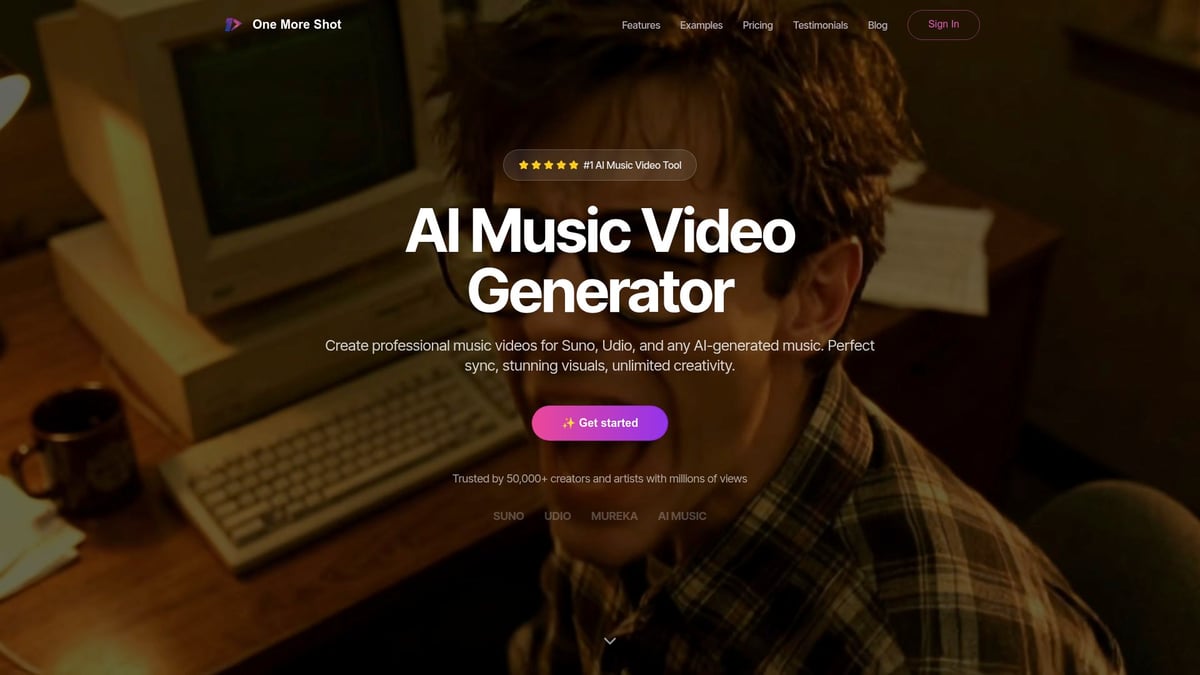
1 More Shot stands out among ai video creation tools as a dedicated AI music video generator. It offers a free plan, with paid tiers starting at $8.25 per month (annual billing). Users can generate music videos with advanced lip-sync, frame-by-frame control, and real-time preview. The platform supports multiple export formats and smart asset management, making it versatile for various projects.
Unique Advantages:
- Lightning-fast video production
- Perfect audio-visual sync
- No watermarks
- Accessible on mobile and web
Target Users: Musicians, content creators, record labels, and AI music enthusiasts benefit most.
Ideal Uses: Social media music videos, promotional campaigns, or AI-generated tracks.
Pros:
- Saves significant time
- Affordable pricing
- High-quality output with no technical expertise needed
Cons:
- Specialized for music videos
- Not intended for general video editing
With over 50,000 creators and a 98% satisfaction rate, 1 More Shot demonstrates the impact of purpose-built ai video creation tools. For a broader comparison, see this Best AI video creation tools resource.
Synthesia
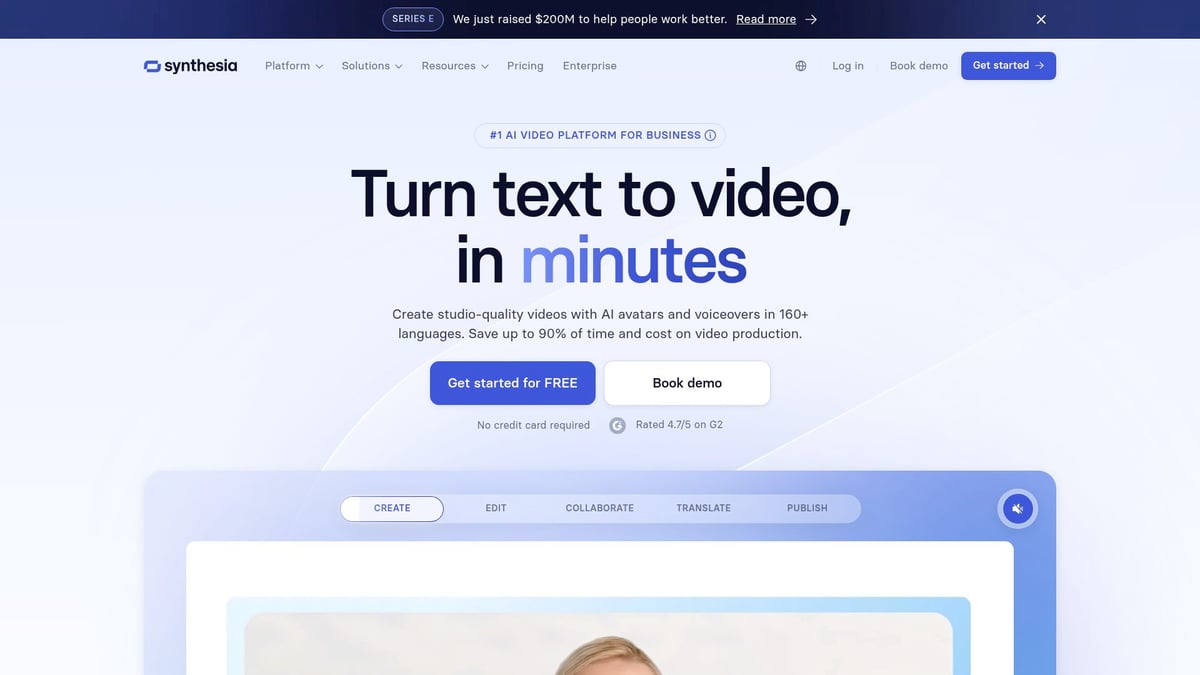
Synthesia is one of the most recognized ai video creation tools, especially for businesses and educators. Pricing starts at $22 per month, offering AI avatars, text-to-video capabilities, and support for 120+ languages. The platform provides a rich template library and brand customization, streamlining professional video production.
Key Features:
- Fast creation of explainer and training videos
- Scalable for teams
- Multilingual support
Use Cases: Training modules, onboarding, and product demos.
Pros:
- Intuitive interface
- Supports large-scale video projects
- Consistent output quality
Cons:
- Limited creative flexibility
- Avatar styles may not fit every brand
Synthesia is trusted by more than 50,000 companies, making it a staple in the ai video creation tools ecosystem for efficient, branded video content.
Runway
Runway is a powerhouse among ai video creation tools for filmmakers and designers. With a free tier and paid plans from $12 per month, Runway delivers Gen-2 video generation, advanced AI editing, inpainting, and motion tracking.

Core Features:
- Full video generation from text prompts
- Green screen and VFX tools
- Real-time collaborative workflows
Target Audience: Filmmakers, agencies, and creative professionals.
Use Cases: VFX, storytelling, and viral social content.
Pros:
- Leading-edge AI models
- Frequent updates and new features
- Supports team collaboration
Cons:
- Steep learning curve for beginners
- Demanding for long or complex videos
Runway is frequently used in indie film production and social campaigns, proving the reach of cutting-edge ai video creation tools.
Pictory
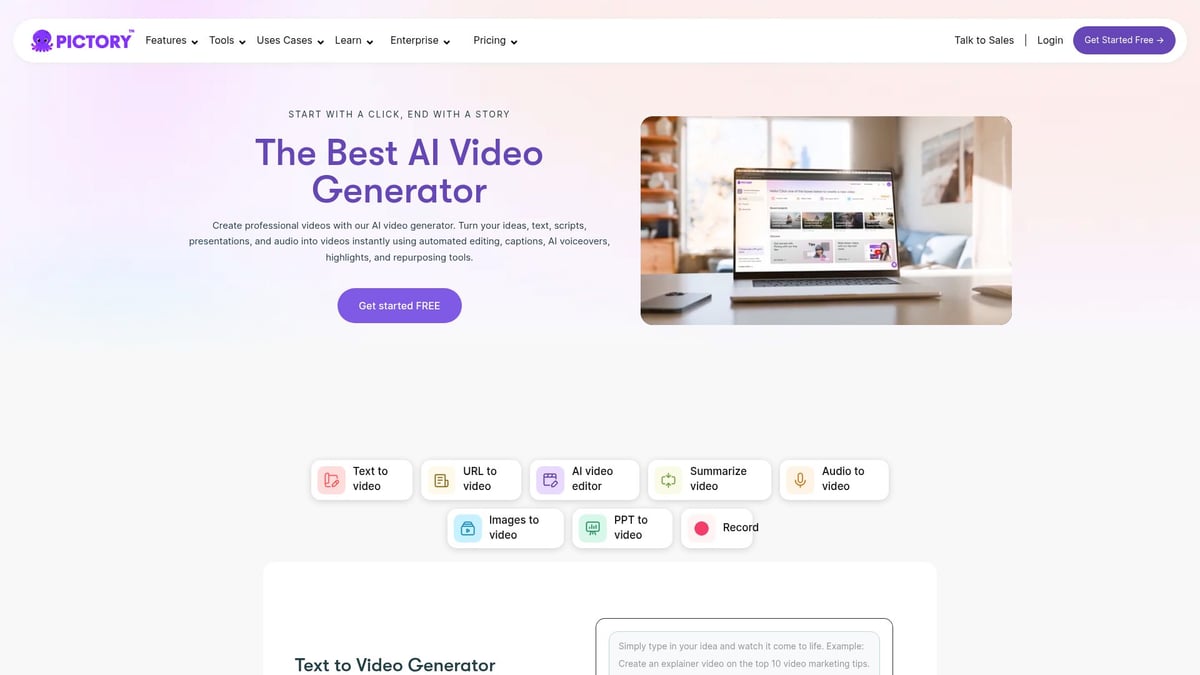
Pictory simplifies video production with ai video creation tools designed for marketers and bloggers. Starting at $19 per month, Pictory converts scripts or blog posts into engaging videos. Features include auto summarization, text overlays, voiceovers, and a vast stock footage library.
Key Benefits:
- Script-to-video automation
- Fast content turnaround
- User-friendly interface
Use Cases: YouTube shorts, social posts, and content repurposing.
Pros:
- Quick learning curve
- Large stock media selection
- Efficient for high-volume needs
Cons:
- Limited advanced customization
- Geared toward short-form content
Agencies often use Pictory to scale video output, showing how ai video creation tools streamline repurposing written content.
Descript
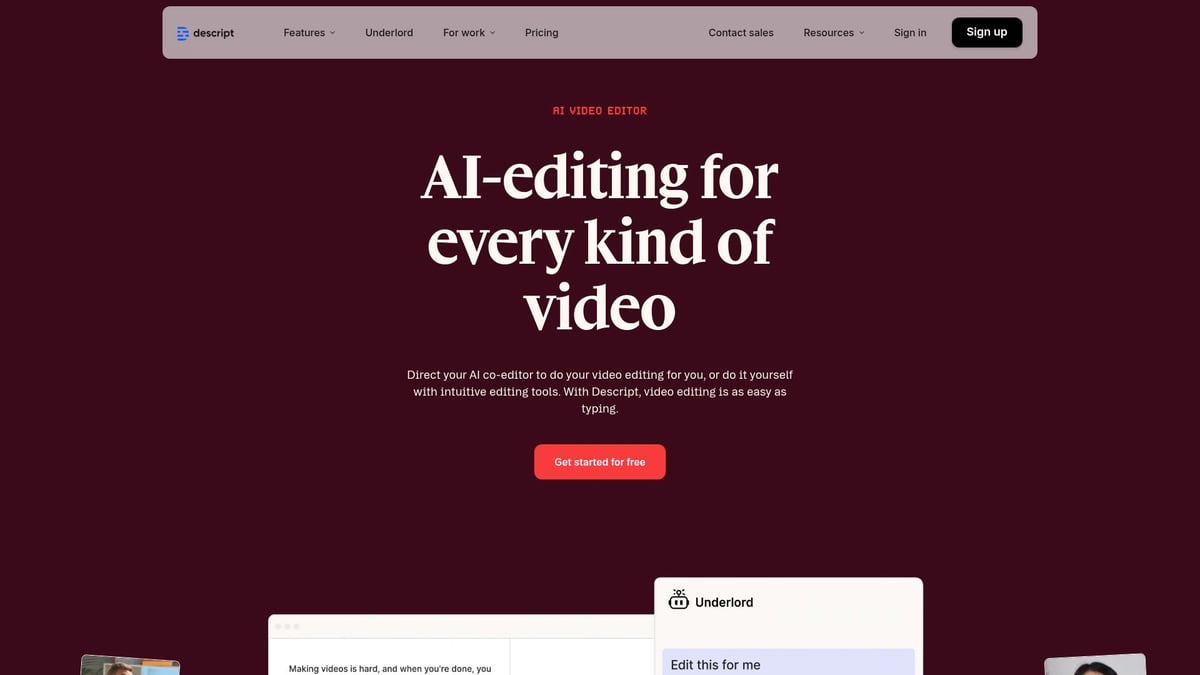
Descript revolutionizes editing among ai video creation tools by letting users edit video and audio as easily as text. With a free plan and paid options from $12 per month, it offers overdub voice cloning, screen recording, filler word removal, and collaborative editing.
Unique Selling Points:
- Edit by typing, not cutting timelines
- Powerful for podcast and webinar creators
- Collaborative cloud workflow
Use Cases: Podcast video production, video essays, and webinars.
Pros:
- Major time-saver
- Intuitive for non-editors
- Robust for audio-visual projects
Cons:
- Overdub quality varies
- Cloud-based limitations
Descript is favored by leading podcasts and YouTubers, highlighting the versatility of ai video creation tools for modern content.
HeyGen
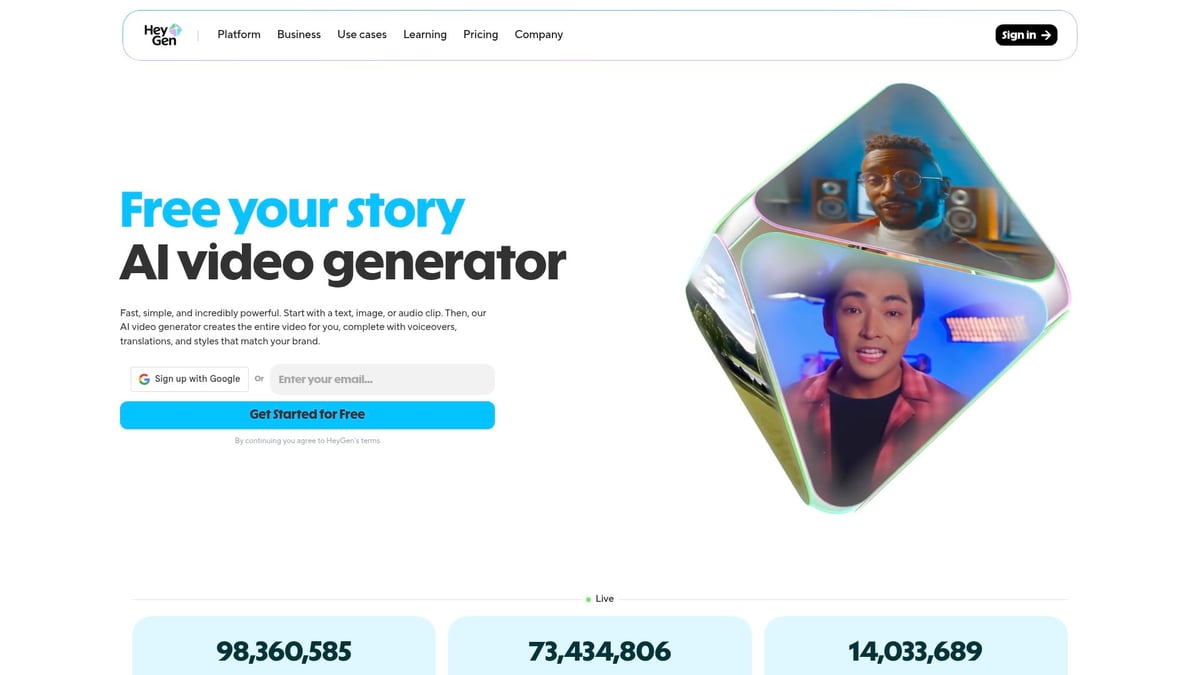
HeyGen is a standout among ai video creation tools for personalized video messaging. After a free trial, paid plans start at $29 per month. Features include AI avatars, voice cloning, text-to-video, and multilingual video translation.
Core Benefits:
- Create human-like, personalized messages at scale
- Multilingual support for global outreach
- Automated video translation
Target Users: Sales teams, HR, influencers, and customer support.
Use Cases: Outreach, onboarding, and communication across languages.
Pros:
- Realistic avatars
- Scalable for large campaigns
- Easy to use
Cons:
- Avatar realism varies by use case
- Limited advanced editing options
Tech startups use HeyGen for prospecting, reflecting the growing role of ai video creation tools in business communication.
DeepBrain AI
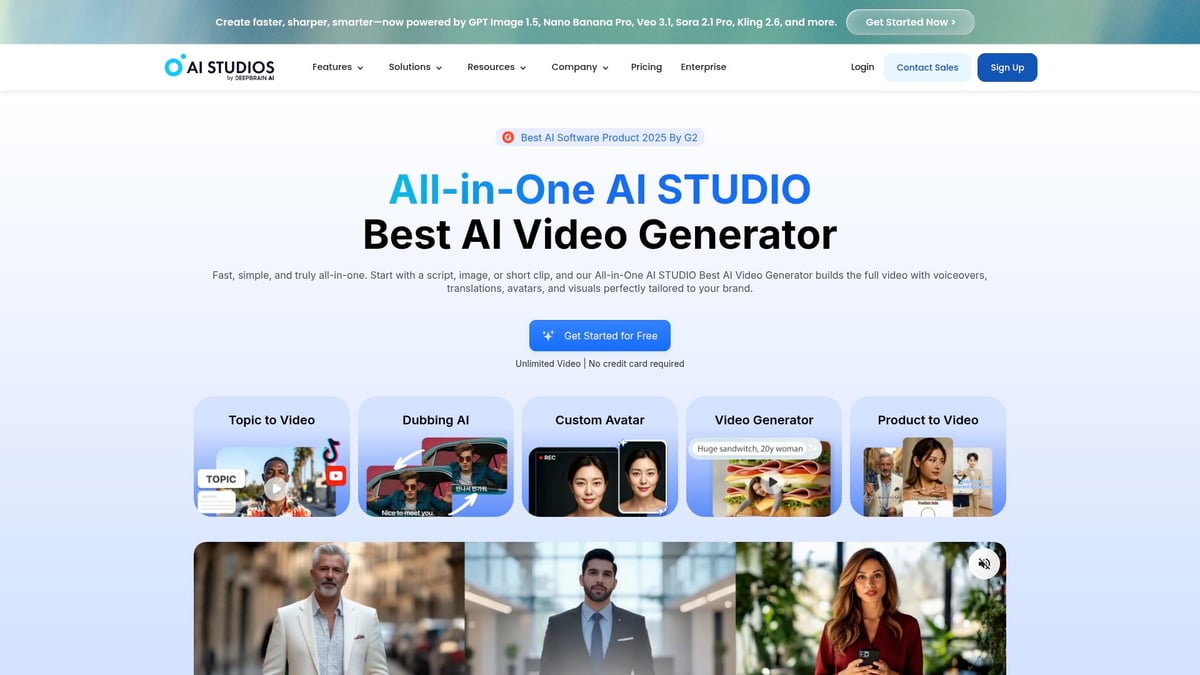
DeepBrain AI brings realistic AI human presenters to the world of ai video creation tools. Plans start at $30 per month, offering text-to-video, custom avatars, and real-time synthesis. The platform is ideal for broadcasters, educators, and corporate communicators.
Key Features:
- Replace live presenters with AI
- Real-time video synthesis
- Custom avatar creation
Use Cases: News updates, e-learning, and corporate announcements.
Pros:
- Major production cost savings
- Consistent, high-quality delivery
- Multilanguage support
Cons:
- Less creative control over output
- Premium features require subscription
DeepBrain AI is used by major news outlets in Asia, demonstrating the efficiency of ai video creation tools in automated content delivery.
Veed
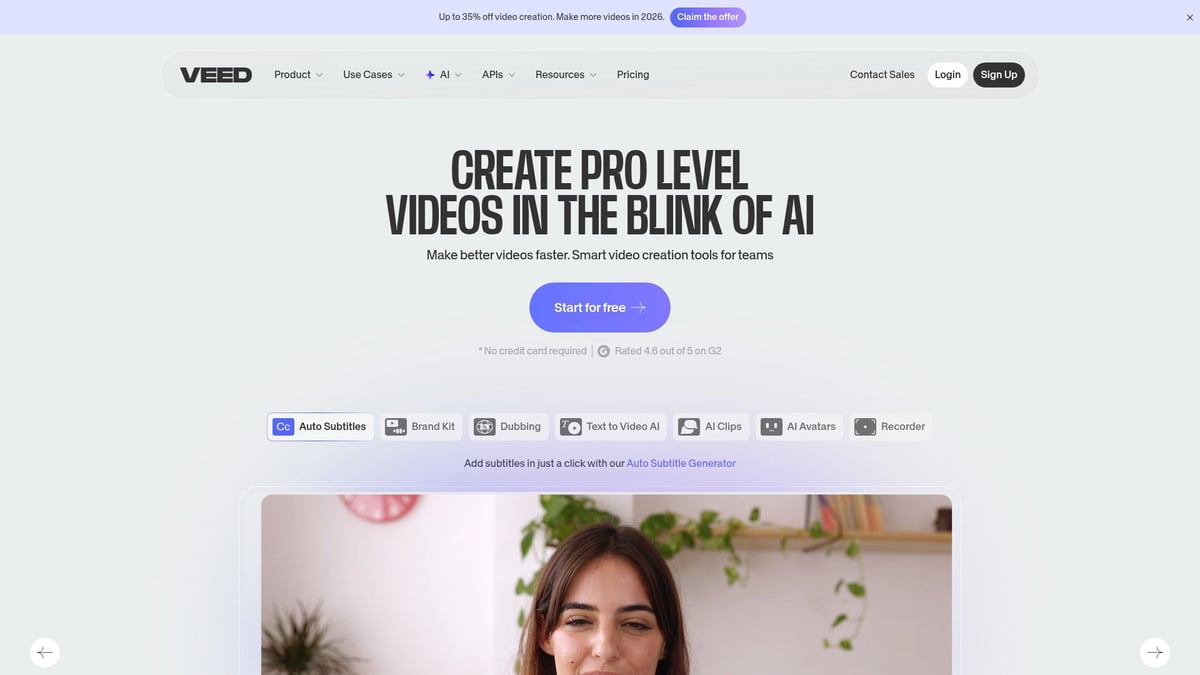
Veed offers an all-in-one online editor among ai video creation tools, with free and paid plans from $18 per month. Its features include AI-powered editing, auto subtitles, background removal, and stock media integration.
Unique Points:
- Fast online editing
- Collaboration tools for teams
- Automatic subtitle generation
Use Cases: Social video ads, educational content, and team projects.
Pros:
- User-friendly interface
- Quick processing and export
- Supports online collaboration
Cons:
- Some features behind paywall
- Occasional export limitations
Brands use Veed for rapid social campaigns, showing how ai video creation tools empower teams to deliver content quickly.
Lumen5
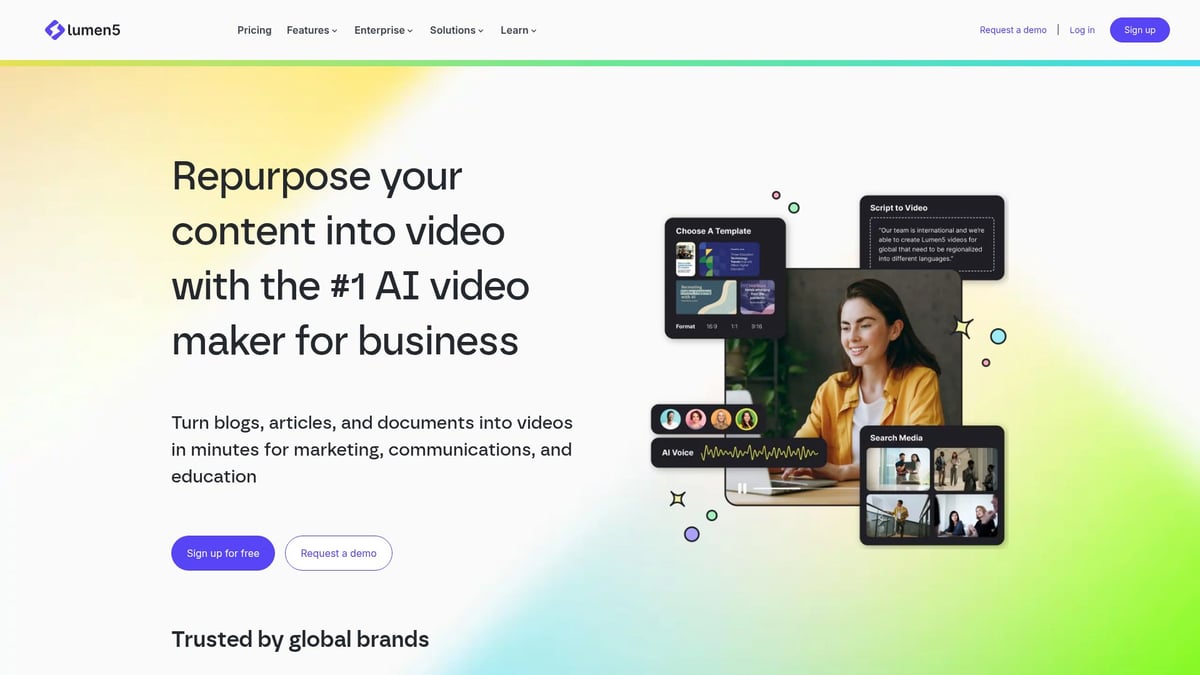
Lumen5 stands out in ai video creation tools for transforming text into video. With a free plan and paid tiers from $29 per month, it offers branding tools, stock media, and automatic scene selection.
Key Benefits:
- Converts articles and blog posts into videos
- Fast, brand-customizable templates
- Huge template and media library
Target Audience: Content marketers, publishers, and internal communication teams.
Use Cases: Content marketing, internal updates, and social media sharing.
Pros:
- Quick turnaround
- Easy brand customization
- Minimal learning curve
Cons:
- Limited for long-form content
- Advanced editing is basic
Major publishers rely on Lumen5 for video repurposing, rounding out the versatility of ai video creation tools for all content types.
How to Choose the Right AI Video Creation Tool for Your Needs
Selecting the best ai video creation tools is a strategic decision that can shape your content’s quality, workflow, and reach. To make an informed choice, break the process into clear steps based on your goals, technical needs, and ethical considerations. Here’s how to approach the selection process for lasting success.
Assessing Your Content Goals and Workflow
Start by clarifying your primary objectives. Are you focused on marketing, education, entertainment, or social engagement? Define the types of videos you want to produce, such as explainers, music, short-form, or training content.
Next, consider your team size and how you collaborate. Do you need solo workflows or multi-user collaboration? Decide on required output formats and distribution channels. For actionable steps, explore this guide on how to use AI for video, which outlines practical strategies to streamline your workflow with modern ai video creation tools.
As an example, a solo creator might prioritize speed and simplicity, while agencies often need advanced collaboration and brand customization. Understanding these needs helps narrow your tool options efficiently.
Evaluating Features, Pricing, and Scalability
Once your goals are set, compare the core features of leading ai video creation tools. Look for essentials like text-to-video, AI avatars, editing flexibility, and integration with your current stack.
Price is a key factor. Analyze subscription plans, free tiers, and pay-per-use models. Scalability is vital if you anticipate growing content demands. A quick comparison table can help:
| Tool | Key Feature | Starting Price | Scalability |
|---|---|---|---|
| Tool A | Text-to-video | $12/mo | High |
| Tool B | AI avatars | $22/mo | Medium |
| Tool C | Music video gen | $8.25/mo | High |
For a broader look at what’s available, see this overview of AI tools for video making, which details features and pricing for top ai video creation tools.
Choose a tool that not only fits your current needs but also grows with your ambitions.
Considering User Experience and Support
A user-friendly interface can make or break your experience with ai video creation tools. Prioritize platforms with clear navigation, helpful onboarding tutorials, and robust knowledge bases.
Check for the availability of customer support, whether via live chat, email, or community forums. If you work in a team, collaborative features and shared workspaces may be essential.
Platforms offering 24/7 support or active user communities can help resolve issues quickly, ensuring your creative process remains uninterrupted. Test trial versions to gauge ease of use before committing long-term.
Reviewing Security, Compliance, and Ethics
In today’s landscape, security and ethics are non-negotiable. Ensure your chosen ai video creation tools comply with regulations like GDPR and CCPA. Review watermarking, copyright policies, and how the platform manages AI-generated content.
Look for features like content verification and transparency settings to address concerns around deepfakes or unauthorized use. Responsible platforms offer clear policies and tools to promote ethical content creation.
Choosing a solution with strong compliance and ethical safeguards protects your brand’s reputation and builds trust with your audience.
Future Trends in AI Video Creation for 2026 and Beyond
The landscape for ai video creation tools is evolving at a rapid pace. As 2026 approaches, several transformative trends are shaping how videos are conceived, customized, and distributed. Let us explore the three most significant directions redefining the future of this field.
Hyper-Personalization and Real-Time Video Generation
Personalization is the new frontier in ai video creation tools. Advanced AI algorithms now enable dynamic customization of video content, adjusting visuals, voiceovers, and messaging based on individual viewer data and preferences. This means brands can deliver unique experiences to every user, increasing engagement and retention.
In 2026, real-time video generation will become mainstream for live events, marketing, and customer service. Imagine video ads that adapt instantly to viewer behavior or interactive tutorials tailored to users’ learning speeds. According to recent AI video creation trends 2025, advertisers are rapidly adopting these solutions to maximize impact and ROI.
Multimodal AI and Cross-Platform Integration
Multimodal capabilities are elevating ai video creation tools to new heights. Modern platforms now blend text, audio, images, and video into unified creative workflows. This allows creators to generate complex, engaging content by leveraging all forms of media simultaneously.
Seamless export features are also critical. Tools now optimize videos for platforms like YouTube, TikTok, and Instagram in a single step. Some solutions even analyze each platform’s algorithm to auto-adapt content style and format, ensuring maximum reach and relevance for every audience.
Ethical AI and Regulatory Developments
With the rise of synthetic media, ethical concerns around ai video creation tools are intensifying. Issues such as deepfakes, content authenticity, and intellectual property rights are at the forefront. In response, industry leaders are implementing watermarking, content verification, and transparent AI use policies.
Governments and regulatory bodies are also stepping in with new rules on disclosure and labeling of AI-generated content. For a deeper dive into these challenges, see the Ethical Implications of Generative AI. As the field progresses, responsible innovation and compliance will remain top priorities for all stakeholders.
As we’ve seen, the landscape of AI video creation is evolving rapidly, making it easier than ever for anyone to produce professional, high-quality content without needing a studio or years of editing experience. Whether you’re a musician, marketer, or creator, these innovative tools are designed to help you express your ideas with greater speed and creativity. If you’re ready to take your video projects to the next level and want to see just how effortless it can be, I encourage you to Start Creating Now with one of the most advanced AI-powered music video generators available today.