Top 7 AI Video Tools Transforming Content Creation in 2026
AI video tools have experienced explosive growth in 2026, transforming digital content creation at an unprecedented pace. Recent reports reveal a surge in both user adoption and innovation, setting new standards for video production.
This article unveils the top 7 AI video tools that are redefining workflows for creators, marketers, and businesses. Each platform offers unique capabilities, flexible pricing, and tailored solutions for a wide range of use cases.
Discover which ai video tools are leading the charge, how they empower users to produce high-quality videos faster, and what sets each apart. Get ready for actionable insights you can use to elevate your content strategy this year.
The Rise of AI Video Tools in 2026
Artificial intelligence has sparked a revolution in video production, reshaping the creative landscape. Today, ai video tools are at the heart of this transformation, moving far beyond simple automation. Their evolution has brought new efficiencies and creative possibilities for businesses, creators, and agencies alike.
The Evolution of AI in Video Production
The journey of ai video tools began with basic automation, such as auto-cutting and simple effects. Key milestones include the rise of deep learning, which enabled smarter editing, and the introduction of diffusion models for realistic video synthesis. Multimodal AI now combines text, images, and audio, making video generation more intuitive.
These innovations have streamlined traditional workflows. Tasks that once required entire teams can now be accomplished by individuals using ai video tools, reducing both time and cost.
Market Growth and Adoption Trends
The adoption of ai video tools has surged in 2026, with creators, brands, and agencies integrating them into daily workflows. Recent data shows exponential growth in the user base, as more industries—such as education, marketing, and entertainment—embrace these solutions. According to AI video creation trends 2025, the expansion is driven by both increased demand for content and the versatility of these platforms.
Ai video tools are no longer niche; they have become essential for scaling content and staying ahead in digital storytelling.
Key Challenges and Opportunities
Despite rapid progress, ai video tools face challenges. Concerns around deepfakes, authenticity, and copyright remain top of mind. However, these tools also present massive opportunities: they democratize video creation, reduce costs, and enable scalable content production.
Leading brands are leveraging ai video tools for viral campaigns and creating microcontent tailored to specific audiences. This balance of risk and reward defines the current landscape.
The Criteria for Selecting Leading AI Video Tools
When evaluating ai video tools, several factors matter:
| Criteria | Importance |
|---|---|
| Video Quality | Crisp visuals, realistic motion |
| Feature Set | Lip-sync, shot length, editing, creative effects |
| Pricing | Affordable plans, free trials |
| Ease of Use | Intuitive interface, minimal learning curve |
| Innovation | Unique capabilities, integration options |
Integration with other creative platforms is vital. User feedback and real-world results also help determine which ai video tools stand out in a crowded market.
Top 7 AI Video Tools Transforming Content Creation in 2026
The landscape of ai video tools in 2026 is more dynamic than ever. As creators and businesses demand faster, smarter, and more accessible solutions, the market has responded with platforms that push the boundaries of what’s possible. Below, we spotlight the seven top ai video tools making the biggest impact this year, from cinematic video generation to seamless music video creation. Each platform brings its own blend of features, pricing, and unique advantages, tailored to a range of professional needs.
1. Kling AI
Kling AI has quickly become a favorite among professionals seeking high-quality ai video tools. Its pricing starts at $10 per month, with a free plan that offers limited features, making it accessible for both newcomers and experts.
Key features include filmmaker-friendly controls, advanced lip-sync, shot extension up to 3 minutes, meme-worthy effects, image-to-video, and text-to-video conversion. The platform excels at delivering professional-grade videos, with extendable shots and impressive realism.
Unique selling points:
- Extendable shots up to 3 minutes for long-form storytelling
- High prompt accuracy and creative effect options
- Detailed scene control for cinematic results
Target audience:
- Filmmakers
- Marketers
- Agencies
- Content creators needing cinematic output
Pros:
- High accuracy in prompt interpretation
- Advanced visual storytelling capabilities
- Creative effects for viral content
Cons:
- Longer generation times on the free plan
- Occasional visual artifacts
Example:
Kling AI is widely used for professional promos and social media campaigns that demand advanced visual storytelling and high production values.
2. Runway Gen 4
Runway Gen 4 stands out as one of the most versatile ai video tools available. Priced at $12 per month with a free trial, it appeals to a broad range of creators and agencies.
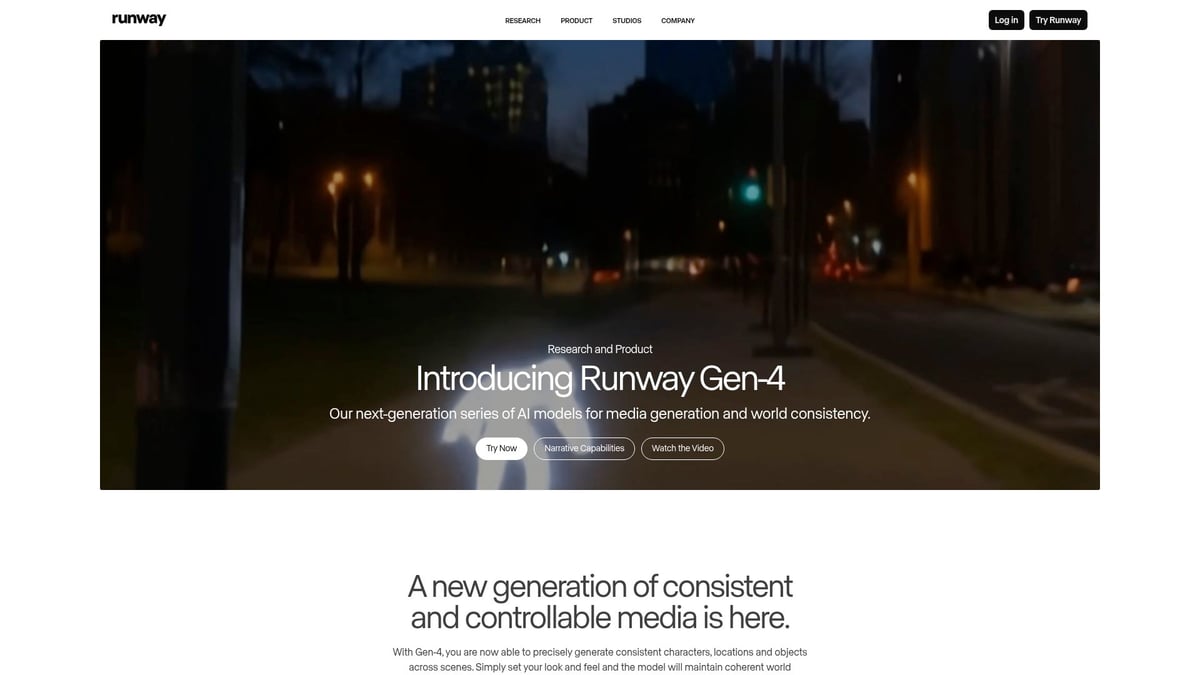
Key features include text-to-image, image-to-video, camera controls, a robust editing suite, and 16-second maximum shot length. The workflow is designed for seamless movement from image to video, offering advanced motion graphics and creative flexibility.
Unique selling points:
- Streamlined workflow from image to video
- Advanced editing tools for professional results
- Creative control over motion and visuals
Target audience:
- Video editors
- Agencies
- Social media creators
Pros:
- High-quality visuals and robust editing suite
- Flexible for various content types
Cons:
- Occasional inconsistencies in generated elements
- Processing times can be longer for complex scenes
Example:
Creative agencies use Runway Gen 4 to rapidly prototype visual ideas and develop engaging content for diverse platforms.
3. Google Veo 2
As one of the most advanced ai video tools, Google Veo 2 brings industry-leading 4K resolution and long-form video generation to the table. Pricing is $30 per minute ($0.50 per second), with access via waitlist.
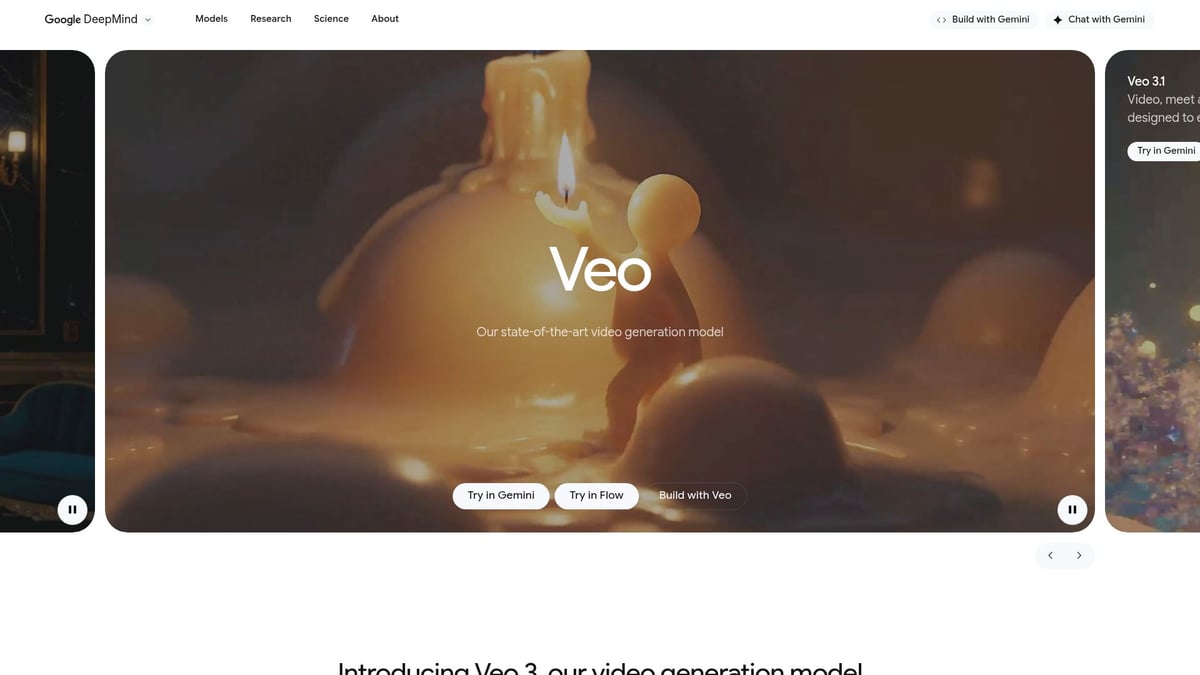
Core features include 4K output, up to 120-second shots, advanced camera controls, and text-to-video capabilities. Google’s expertise in AI ensures exceptional image quality and scalability for large projects.
Unique selling points:
- Unmatched output resolution
- Extended shot length for cinematic storytelling
- Backed by Google’s AI research
Target audience:
- Enterprise clients
- Studios
- Creators requiring high-resolution, cinematic videos
Pros:
- Superior image quality
- Suitable for large-scale productions
Cons:
- Higher cost, especially for long videos
- Limited public access and no image-to-video feature
Example:
Google Veo 2 powers commercial productions and high-end marketing campaigns where image quality and shot duration are critical.
4. OpenAI Sora
OpenAI Sora is redefining what ai video tools can achieve for creative professionals. With plans at $20 per month (Plus) and $200 per month (Pro), it offers prompt-based generation and advanced creative scene controls.
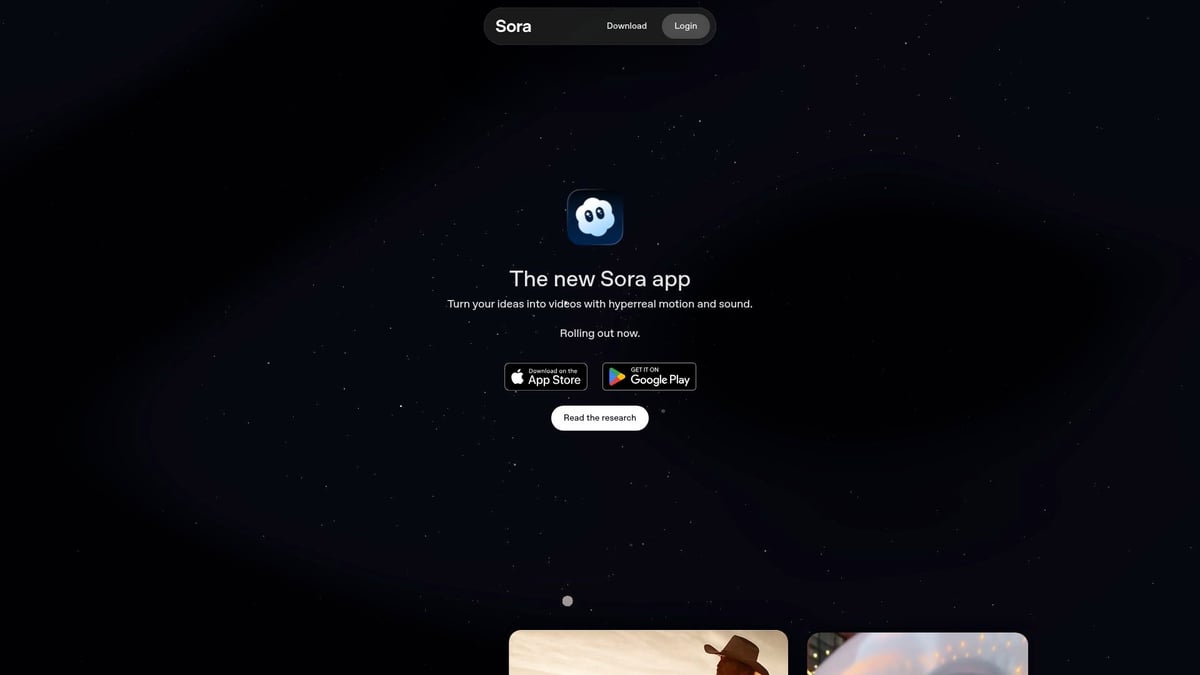
Core features include text-to-video, image-to-video, storyboard controls, and up to 20-second shots. Sora is part of the OpenAI ecosystem, providing deep prompt comprehension and innovative scene transitions.
Unique selling points:
- Advanced prompt understanding for nuanced video generation
- Creative scene generation and transitions
- Integration with other OpenAI tools
Target audience:
- Creative professionals
- Agencies
- Storytellers
Pros:
- High realism and innovative transitions
- Excellent for storyboarding and branded content
Cons:
- No traditional camera controls
- No free access, limited shot length on lower tiers
Example:
OpenAI Sora is ideal for producing explainer videos, storyboards, and branded content that require creative nuance.
5. 1 More Shot
1 More Shot is a specialized choice among ai video tools, focusing on music video creation. With a free basic plan and paid options (Super $8.25/mo, Ultra $16.50/mo, Hyper $83.50/mo, billed yearly), it delivers fast, accurate, and visually engaging results.
Core features include an AI music video generator, advanced lip-sync, multiple export formats, real-time editing, HD quality, and both mobile and web access. The platform is designed for seamless integration with AI music services like Suno and Udio.
Unique selling points:
- Fastest music video generation in the industry
- Perfect audio-visual sync, no watermarks
- User-friendly interface for musicians and creators
Target audience:
- Musicians
- Content creators
- Influencers
- Agencies
Pros:
- Lightning-fast generation
- Precise lip-sync and affordable pricing
- No technical barriers for beginners
Cons:
- Primarily focused on music videos
- Not suitable for general-purpose video generation
Example:
Independent artists and influencers use 1 More Shot to create professional-grade music videos for platforms like TikTok and YouTube.
6. Pika 2.0
Pika 2.0 has emerged as a favorite among animators and educators seeking versatile ai video tools. It is priced at $35 per month, with a free trial for new users.
Features include text-to-video, image-to-video, up to 16-second shots, advanced lip-sync, and a suite of editing tools. Pika 2.0 excels at high-quality animation and offers a wide range of video styles.
Unique selling points:
- Consistent, high-quality animation
- User-friendly interface for rapid content creation
- Suitable for various educational and social media uses
Target audience:
- Animators
- Social media creators
- Educators
Pros:
- Creative animation effects
- Responsive customer support
Cons:
- Higher price point than some competitors
- Limited advanced camera controls
Example:
Pika 2.0 is regularly used for animated explainers, educational content, and engaging social media videos that require a polished look.
7. Adobe Firefly Video
Adobe Firefly Video brings the power of ai video tools into the Adobe Creative Cloud ecosystem. With pricing at $9.99 per month and a free trial, it is a go-to option for designers and marketers.
Core features include text-to-video, image-to-video, up to 5-second shots, camera controls, and seamless integration with Adobe’s industry-standard editing suite. Firefly Video is ideal for quick video enhancements and branded content.
Unique selling points:
- Seamless workflow with Adobe Creative Cloud
- Industry-standard editing and creative presets
- Reliable output for professional projects
Target audience:
- Designers
- Marketers
- Creative professionals
Pros:
- Easy learning curve for Adobe users
- Reliable and high-quality output
Cons:
- Shorter maximum shot length
- Limited advanced features compared to some competitors
Example:
Adobe Firefly Video is widely used for marketing assets, branded videos, and quick content enhancements for digital campaigns.
Comparison Table: Top 7 AI Video Tools (2026)
| Tool | Pricing | Core Features | Best For | Unique Selling Point |
|---|---|---|---|---|
| Kling AI | $10/mo+ | Filmmaker tools, lip-sync, 3-min shots | Filmmakers, marketers | Cinematic, extendable shots |
| Runway Gen 4 | $12/mo+ | Text/image-to-video, editing, 16-sec shots | Editors, agencies | Seamless workflow, creative control |
| Google Veo 2 | $30/min | 4K, 120-sec shots, camera controls | Studios, enterprise | 4K, long-form videos |
| OpenAI Sora | $20-200/mo | Text/image-to-video, storyboards, 20-sec shots | Agencies, creatives | Deep prompt comprehension |
| 1 More Shot | Free/$8.25+ | Music video, lip-sync, HD, mobile/web | Musicians, influencers | Fastest music video creation |
| Pika 2.0 | $35/mo | Animation, 16-sec shots, editing, lip-sync | Animators, educators | High-quality animation |
| Adobe Firefly Video | $9.99/mo | Text/image-to-video, 5-sec shots, Adobe CC | Designers, marketers | Adobe integration, presets |
For readers interested in a broader overview and practical tips on maximizing these platforms, see this guide on AI tools for video making, which complements the insights shared above.
Key Features and Innovations Driving AI Video Creation
The evolution of ai video tools in 2026 is marked by rapid leaps in technology and user-focused innovation. These advancements are transforming how individuals and organizations approach video content, making high-quality production more accessible than ever.
Breakthroughs in Video Generation Technology
Recent years have seen ai video tools harness advanced generative models, such as diffusion and transformer-based architectures, to produce visually stunning results. These breakthroughs allow for improved realism, seamless motion continuity, and much richer scene complexity.
With multimodal input capabilities, creators can now generate videos from text, images, or audio, opening new doors for storytelling. The ability to blend these inputs means that ai video tools can interpret creative intent more accurately, resulting in dynamic, expressive content.
Key advancements include:
- Support for 4K and even higher resolutions
- Realistic lighting and shadow modeling
- Complex character animation
- Smooth transitions between scenes
These features empower users to create cinematic experiences that were previously the domain of professional studios.
Enhanced Editing and Customization Capabilities
Ai video tools are redefining the editing process with intuitive, AI-driven features. Frame-by-frame editing, real-time preview, and expansive smart asset libraries allow for precise control over every aspect of video creation.
Innovations include:
- AI-powered lip-sync and voiceover matching
- Automated soundtrack generation and mixing
- Flexible export options for vertical, square, or horizontal formats
Such capabilities streamline workflows and enable creators to experiment with different styles and effects quickly. For those seeking practical guidance, resources like Creating videos with AI provide step-by-step advice on leveraging these powerful features for professional results.
Democratization and Accessibility
Perhaps the most transformative impact of modern ai video tools is the removal of technical and financial barriers. Affordable pricing, free trials, and intuitive interfaces have opened the door for individuals and small businesses to compete with larger studios.
Key drivers of accessibility include:
- Web-based and mobile platforms for on-the-go editing
- No-code interfaces suited for non-experts
- Community-driven templates and presets
For those exploring entry points, platforms reviewed on Best free AI video generators highlight accessible options that deliver impressive results without a big investment. This democratization is fueling a surge in user-generated content and creative experimentation.
Integration with Creative Ecosystems
Ai video tools now offer robust integration with popular creative platforms and workflows. APIs and plugins for Adobe, Final Cut, and social platforms streamline the process of moving assets between tools, while collaboration features enable teams to work together efficiently.
Key integration features:
- Real-time cloud collaboration
- Asset libraries shared across teams
- Automated feedback and revision cycles
These capabilities enhance productivity, allowing agencies and creators to deliver projects faster and with greater consistency. Industry reports, such as those discussing AI’s impact on content creation workflows, underscore how integration is reshaping creative industries by connecting disparate tools into unified, AI-augmented pipelines.
How AI Video Tools Are Reshaping Content Creation Workflows
The rapid evolution of ai video tools is fundamentally transforming how digital content is planned, produced, and distributed. These platforms are empowering creators, marketers, and teams to rethink traditional workflows, unlocking new levels of speed, creativity, and collaboration.
Impact on Content Strategy and Production Speed
Ai video tools are dramatically accelerating content production timelines. What once took days or weeks can now be accomplished in minutes, enabling brands and creators to rapidly test, iterate, and optimize their video assets.
A recent report highlights that nearly 90 percent of advertisers are leveraging generative AI for video ads, underscoring the strategic shift toward automation and agility. This ability to quickly generate, revise, and deploy content allows for more effective A/B testing, campaign scaling, and audience targeting. As ai video tools continue to mature, teams can more easily keep up with fast-moving digital trends and consumer demands.
Expanding Creative Possibilities
With ai video tools, the boundaries of creativity are being redefined. These platforms allow users to generate scenes, effects, and transitions that were previously impossible or prohibitively expensive to produce.
Personalization at scale is now achievable, enabling marketers to tailor content for different audiences with minimal manual effort. Viral campaigns featuring AI-generated visuals are becoming more common, capturing attention across social platforms. According to recent AI video generator market growth statistics, the adoption of these tools is fueling a creative renaissance, opening doors for new storytelling techniques and visual experimentation.
Collaboration and Team Productivity
Collaboration is at the heart of modern content creation, and ai video tools are providing seamless ways for teams to work together, regardless of location. Features like cloud-based editing, real-time feedback, and shared asset libraries streamline the revision process and reduce bottlenecks.
Many platforms now integrate with project management and communication tools, allowing for smoother asset handoff and clearer version control. This results in faster project turnaround and improved productivity for agencies, in-house teams, and freelancers alike. With ai video tools, collaborative workflows are more efficient and scalable.
Ethical Considerations and Best Practices
As ai video tools become ubiquitous, ethical issues around authenticity, deepfakes, and content responsibility are coming to the forefront. Ensuring transparency in production and following industry guidelines is essential to maintain trust with audiences.
Many organizations are investing in educational resources and adopting best practices to mitigate misuse. Industry standards are evolving to address these challenges, promoting responsible AI use and encouraging creators to disclose AI-generated content. By prioritizing ethics, the creative community can harness the benefits of ai video tools while safeguarding integrity and public trust.
After exploring how AI video tools are revolutionizing every stage of content creation in 2026, it’s clear that you don’t have to wait to put these innovations to work. Whether you’re an artist, marketer, or creative professional, you now have access to powerful platforms that make producing high-quality videos faster, easier, and more accessible than ever. If you’re ready to experience firsthand how AI can elevate your music videos and creative projects, you can get started in just a few clicks. Discover what’s possible—Start Creating Now.