Create Music Video App Guide: Everything You Need for 2026
Short-form video and AI-powered creativity are redefining how artists and creators approach music video production in 2026. More musicians are looking to create music video app solutions that make their visual storytelling effortless and impactful. The landscape is now more accessible, but building a standout, user-friendly platform takes careful planning and the right technology.
This comprehensive guide will walk you through every essential step and feature needed to create music video app success in the modern era. Ready to explore the trends, tools, and strategies to bring your vision to life? Read on for everything you need to know.
Understanding the 2026 Music Video App Landscape
The drive to create music video app solutions is reshaping how music and visual content intersect. As we look to 2026, rapid technological advances and shifting user preferences are setting the stage for a new era in music video creation. Understanding the landscape is crucial for anyone aiming to launch a compelling, competitive product.
Key Industry Trends and Growth
The surge in short-form video has fundamentally changed the way audiences experience music. Platforms like TikTok, YouTube Shorts, and Instagram Reels have become the primary spaces for music video consumption and sharing. In 2025, over 70 percent of music videos were under sixty seconds, reflecting the dominance of bite-sized content.
AI is now central to the evolution of music video apps. AI-driven editing, effects, and music synchronization are no longer optional. They are expected by users who want seamless, creative tools at their fingertips. The global demand for music streaming and visual content continues to rise, with new markets emerging and established ones expanding.
Short-form, vertical video formats are the new standard. Community features and social sharing capabilities are also critical, fueling viral trends and organic growth. According to research on the impact of social video platforms, these channels are now the leading drivers of music discovery and engagement worldwide.
For anyone looking to create music video app platforms, keeping pace with these trends is essential. The landscape is shaped by rapid innovation and user-driven demands, making adaptability a key success factor.
Competitive Analysis: Top Apps and Features
The competition in the create music video app market is fierce. Leading platforms such as TikTok, Triller, and Lomotif have set high standards with robust editing suites and user-friendly interfaces. These apps offer real-time effects, filters, AI-powered editing, lip-sync tools, and collaborative features that appeal to a wide audience.
A breakdown of common features reveals several must-haves:
| Feature | TikTok | Triller | Lomotif |
|---|---|---|---|
| Real-time Effects | ✔ | ✔ | ✔ |
| AI Editing | ✔ | ✔ | ✔ |
| Lip-sync | ✔ | ✔ | ✔ |
| Collaboration Tools | ✔ | ✔ | ✔ |
| Monetization Options | ✔ | ✔ | ✔ |
Monetization models typically include freemium structures, in-app purchases, and ad-supported content. Triller’s partnerships with artists and its AI-powered editing have helped it stand out, while TikTok’s intuitive suite sets the benchmark for user experience.
User demographics skew young, with 85 percent of Gen Z preferring apps that offer built-in video editing. Any plan to create music video app products should prioritize features that resonate with this demographic and support social sharing, engagement, and content creation.
Challenges and Opportunities in 2026
Building a successful create music video app in 2026 presents both obstacles and openings. Copyright and licensing for music tracks remain a primary challenge. Navigating complex legal requirements while providing a library of popular tracks is vital for user satisfaction.
Balancing advanced, AI-driven features with an intuitive and accessible user experience is another hurdle. Users expect powerful tools that do not overwhelm or confuse. High demand for mobile-first, cross-platform compatibility adds another layer of complexity, requiring robust backend architecture.
Yet, these challenges also create opportunities. AI-driven personalization and automated video production can drastically reduce costs and time-to-market. By embracing these innovations, developers can offer unique value to users and differentiate their apps in a crowded market.
The impact of AI on the ability to create music video app solutions has never been greater. Teams that leverage automation, personalization, and scalable design will be best positioned to succeed as the industry continues its rapid evolution.
Essential Features for a Modern Music Video App
To create music video app solutions that stand out in 2026, you must focus on delivering both innovation and simplicity. Today’s users expect not just powerful editing tools but also an intuitive experience that lets them bring their music and vision to life quickly. Each feature should enable creativity, drive engagement, and support the app’s growth in a competitive digital landscape.
Core User Features and Functionality
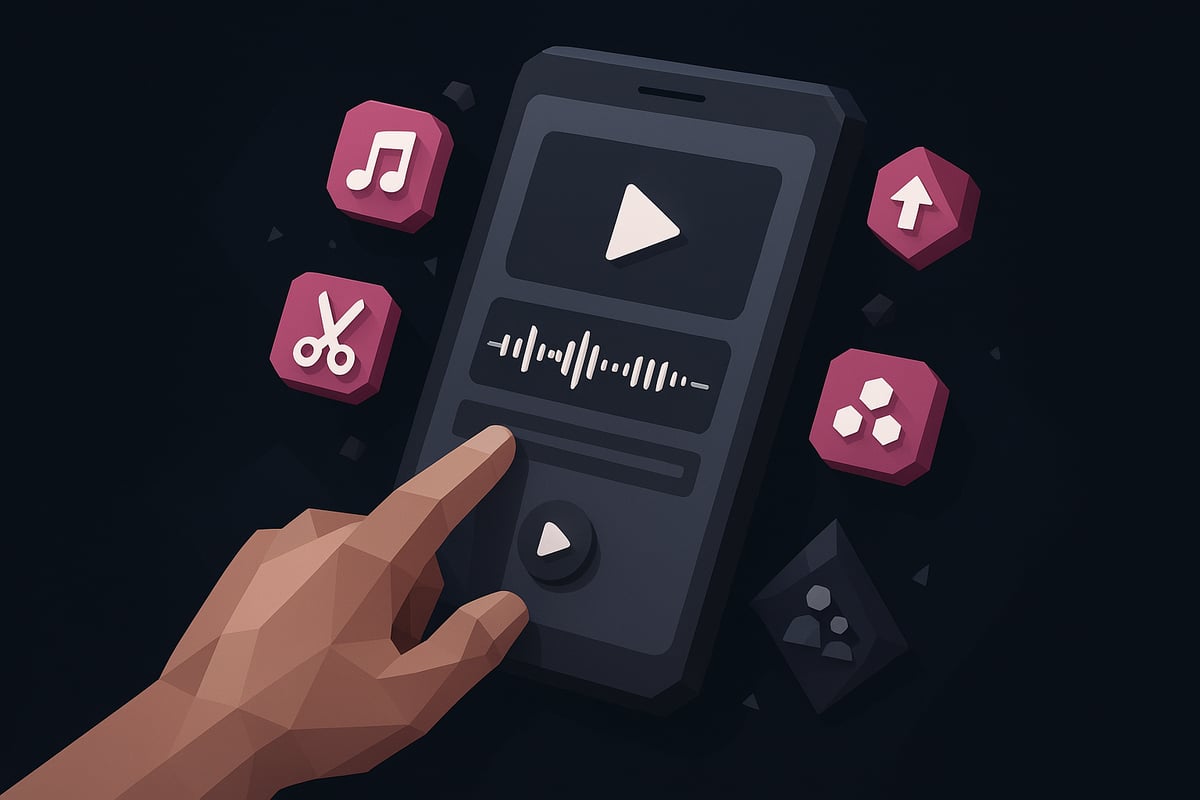
Every modern attempt to create music video app products hinges on seamless music import, intuitive editing, and robust sharing options. Users expect to pull tracks from streaming services or local files. Advanced video editing is essential, with features like trimming, dynamic transitions, overlays, and customizable filters.
Real-time effects, including AR and VR enhancements, add a creative edge. AI-powered lip-sync and automatic beat detection are now baseline expectations, streamlining the editing process for creators. Social sharing must be frictionless, with direct export to platforms like TikTok, YouTube, and Instagram.
Multi-format export options—vertical, horizontal, and square—ensure compatibility with diverse social feeds. For deeper insights on what makes these tools powerful, explore the AI Music Video Editor Features that set industry benchmarks.
Backend and Technical Requirements
To create music video app platforms that scale, a robust backend is critical. Scalable cloud infrastructure manages growing video libraries and ensures smooth video processing, even during peak times. Integration with music licensing APIs and content identification systems keeps your app compliant and protects creators.
Low-latency performance is a must for real-time editing and effects. Secure user authentication, GDPR compliance, and strong data privacy measures build user trust and meet regulatory standards. An analytics dashboard helps track user engagement and optimize content, fueling continuous improvement and feature refinement.
Monetization and Growth Features
A strategic approach to monetization can make or break your efforts to create music video app products. In-app purchases allow users to unlock premium effects, filters, and export options. Subscription models offer access to advanced features, catering to power users and professionals.
Ad integration and branded partnerships open new revenue streams, while influencer monetization tools empower creators to earn within your ecosystem. Growth features like referral programs, community contests, and collaboration tools build an engaged creator community and drive organic expansion.
Accessibility and Inclusivity
Building accessibility into your plan to create music video app offerings is vital in 2026. Multilingual support and localization broaden your reach across global markets. UI/UX considerations, such as high-contrast modes and voice navigation, make the app usable for those with disabilities.
Closed captions and auto-generated subtitles foster inclusivity, ensuring content is accessible to all users. Prioritizing these features not only improves user satisfaction but also aligns your app with evolving legal standards. By making accessibility a core value, you ensure your create music video app efforts resonate with the widest possible audience.
Step-by-Step Guide: Building Your Music Video App
Building a competitive music video app in 2026 requires a structured, user-focused approach. Whether you are a musician, tech founder, or creative entrepreneur, following a proven process will help you create music video app solutions that stand out in a crowded market.
Step 1: Market Research and User Persona Development
Understanding your audience sets the foundation for every decision when you create music video app projects. Start by identifying core user groups, such as musicians producing original tracks, content creators seeking viral moments, influencers, and general music lovers.
Gather insights through:
- Competitive research on leading apps
- Surveys targeting indie artists and creators
- Focus groups to explore feature preferences
For example, recent surveys indicate that 60% of indie musicians want AI-powered video tools. This data helps pinpoint essential features and design choices. Develop detailed user personas to guide feature prioritization and marketing strategies.
A sample user persona table:
| User Type | Needs | Challenges |
|---|---|---|
| Indie Artist | AI editing, easy sharing | Limited time, budget |
| Influencer | Fast effects, cross-posting | Standing out, engagement |
| General Audience | Fun filters, simple interface | Learning curve, retention |
Knowing your audience ensures you create music video app experiences tailored for success.
Step 2: Defining App Scope and Feature Set
Once you understand your users, define the core features for your create music video app project. Start by distinguishing must-have features from nice-to-haves. Focus on the essentials that drive user value and set your app apart.
Prioritize features like:
- Seamless music import from streaming or local files
- Basic video editing: trim, cut, add effects
- Social sharing to major platforms
Map user journeys, such as onboarding, video creation, and sharing. This step clarifies how users interact with your app from start to finish.
Set clear MVP (Minimum Viable Product) criteria. For many, a strong MVP includes an intuitive editing suite, reliable music integration, and instant sharing capabilities. This focused approach helps you create music video app versions that launch quickly and adapt to user feedback.
Step 3: UI/UX Design and Prototyping
With a defined scope, move to UI/UX design. Your goal is to create music video app interfaces that are visually appealing, mobile-first, and intuitive. Start with wireframes to outline the app’s structure, then build interactive prototypes to test flows.
Key design best practices:
- Use swipe navigation for easy video browsing
- Keep onboarding fast and straightforward
- Highlight core features with clear icons and labels
Gather feedback through usability tests and iterate based on real user input. Remember, 80% of users abandon apps with confusing onboarding. Prioritize a minimal learning curve so users can create music video app content confidently from day one.
Step 4: Choosing the Right Technology Stack
Selecting the right technology stack is crucial to create music video app solutions that scale and perform. Decide between native development (Swift, Kotlin) for platform-specific performance or cross-platform frameworks like React Native or Flutter for faster deployment.
Core backend requirements:
- Cloud-based video processing and storage
- Music licensing and streaming API integration
- AI tools for video editing and effects
Security is non-negotiable. Implement robust authentication, data encryption, and compliance with privacy regulations. Many leading apps leverage AWS or Google Cloud for scalable infrastructure. Choose a stack that supports real-time rendering and future feature growth as you create music video app offerings for a global audience.
Step 5: Development, Testing, and Iteration
Now it’s time to build, test, and refine. Embrace agile development to deliver core features quickly and iterate based on feedback. Begin with essential modules: video editor, music sync, and social sharing.
Critical steps include:
- Rigorous QA for device compatibility and performance
- Security audits to protect user data
- Beta launches to gather real-world feedback
Continuous integration and deployment pipelines streamline updates and bug fixes. Early testers often identify UI bottlenecks, enabling rapid improvements. Successful teams update features monthly to keep users engaged. For a practical, step-by-step approach to integrating AI into your workflow, see this How to Create AI Music Videos guide.
Launching your app is just the beginning. Ongoing iteration based on analytics and user feedback ensures your create music video app remains competitive in the evolving 2026 landscape.
Integrating AI and Advanced Technologies
AI is reshaping how you create music video app experiences in 2026. From seamless editing to hyper-personalized recommendations, integrating advanced technologies is essential for staying ahead. Let us explore how these innovations turn every step of your app into a competitive advantage.
AI-Powered Video Editing and Effects
Modern users expect powerful editing when they create music video app solutions. AI-driven editing tools now handle scene detection, auto-trimming, and suggest transitions based on audio and video cues. Deep learning models apply genre-specific effects, transforming raw clips into polished, shareable content.
Popular apps leverage machine learning for real-time style transfer, background replacement, and smart filters. For benchmarking and tech stack ideas, review the Best AI Music Video Creation Tools to stay competitive.
By integrating these AI features, your app delivers both professional results and intuitive workflows.
Automated Lip-Sync and Beat Detection
Seamless lip-sync and rhythmic cuts are now core to how creators engage with music video apps. AI automates lip-sync by mapping facial movements to vocal tracks, while beat detection aligns edits and effects with the music’s tempo. These tools save significant editing time and ensure videos look dynamic.
When you create music video app functionality with automated lip-sync, you boost both quality and user satisfaction. Real-time processing means creators can preview results instantly, making the app more interactive and fun.
Building robust AI for these features positions your app as a leader in user-friendly, innovative video creation.
Personalization and Recommendation Engines
Personalization is crucial if you want to create music video app experiences that stand out. AI analyzes user behavior, music preferences, and editing patterns to suggest templates, effects, and tracks. Recommendation engines also curate content feeds, helping users discover fresh ideas and trending sounds.
These AI-driven suggestions increase engagement and retention. By adapting recommendations in real time, your app provides a tailored creative journey for each user.
Incorporating robust analytics into your recommendation engine ensures ongoing improvement and relevance.
Cloud Processing and Scalability
To create music video app platforms that scale, cloud-based AI processing is essential. Cloud rendering allows fast video exports and supports millions of users without performance loss. Load balancing ensures smooth operation during viral spikes or high-demand events.
Storing video data and AI models in the cloud also enables cross-device editing and easy collaboration. Real-time analytics and monitoring tools help you track app health and optimize resource allocation.
With a cloud-first approach, your app remains reliable, efficient, and ready for global growth.
1 More Shot: AI-Powered Music Video Generation
1 More Shot is revolutionizing how you create music video app projects with its advanced AI engine. The platform offers instant video creation, precise lip-sync, and multiple export options, all optimized for both user-made and AI-generated tracks.
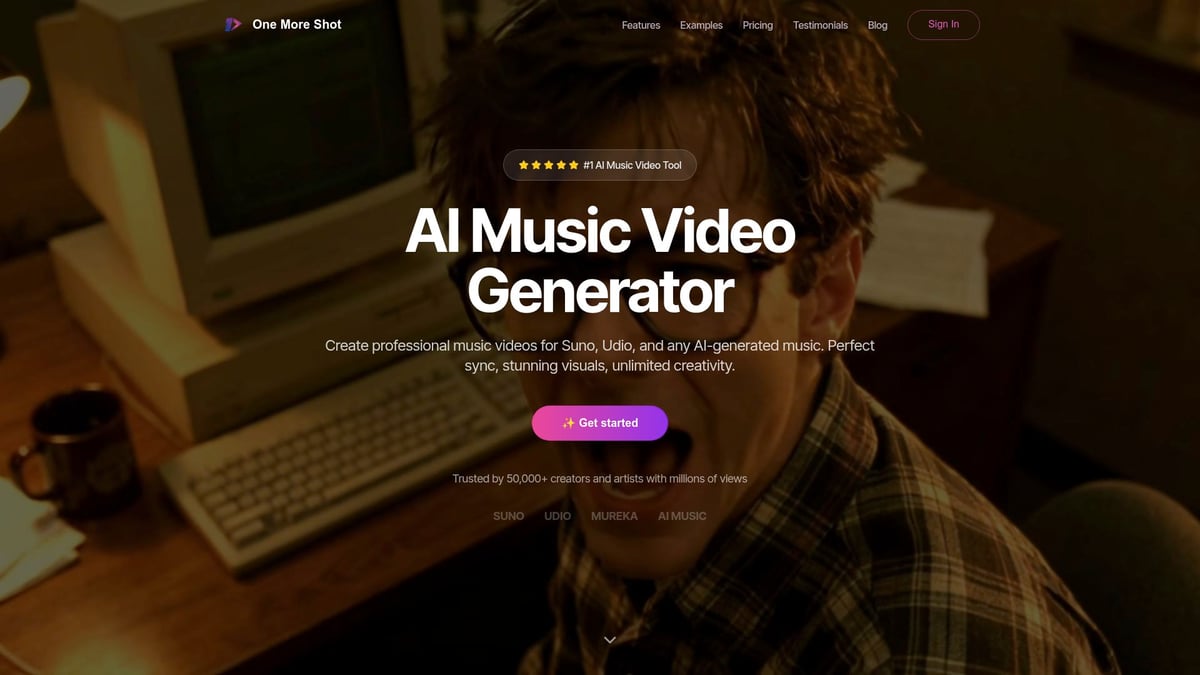
Key features include:
- Frame-by-frame editing
- Advanced effects and transitions
- Support for short-form and full-length videos
With over 50,000 creators already using 1 More Shot, it proves that AI-driven workflows save time, reduce costs, and make professional music video creation accessible to all.
Monetization Strategies and User Engagement
The ability to create music video app platforms that thrive in 2026 depends on a strong monetization plan and an engaged user base. This section unpacks the proven strategies and innovative techniques that help music video apps stand out in a competitive market.
Revenue Models for Music Video Apps
When you create music video app solutions, choosing the right revenue streams is crucial. Popular models include:
- Subscription tiers: Offer free, premium, and enterprise access, each unlocking advanced features or exclusive content.
- In-app purchases: Sell premium effects, music packs, or templates as one-time upgrades.
- Ad-supported experiences: Integrate rewarded ads, branded content, and sponsorships to generate revenue while keeping the core app free.
For example, TikTok’s in-app purchases for premium filters have proven highly effective. Innovation in monetization is also inspired by platforms that leverage AI-driven features. For a deeper look at current trends, explore Music Video Maker AI Solutions to see how leading apps diversify their revenue streams.
Building a Creator Ecosystem
A thriving creator community can transform the success of any effort to create music video app platforms. Essential features include:
- Collaboration tools that let users co-create and remix videos.
- Challenges and contests to spark creativity and boost participation.
- Monetization for creators: Enable tipping, paid partnerships, and revenue sharing to attract and retain top talent.
Some platforms offer direct payouts to successful creators, fueling motivation and content quality. By focusing on community engagement, your app becomes more than a tool—it becomes a creative hub.
User Retention and Growth Hacking
Sustained growth hinges on keeping users active and excited. To create music video app experiences that stick, employ:
- Gamification: Badges, achievements, and leaderboards make participation rewarding.
- Push notifications: Personalized suggestions keep users coming back.
- Referral programs: Incentivize viral sharing to expand your reach.
Apps with gamified features see up to 30% higher retention. Notably, incorporating music integration can significantly boost engagement and retention, as highlighted in Music integration boosts app engagement.
Data Analytics and Continuous Improvement
Continuous improvement is essential when you create music video app platforms for a dynamic audience. Use these strategies:
- Real-time analytics: Track user behavior and video performance to inform updates.
- A/B testing: Optimize features by measuring what works best.
- Iterative onboarding: Use analytics to refine the user journey, reducing drop-off rates.
Platforms that analyze engagement data can quickly adapt, ensuring features stay relevant and users remain satisfied. Regular updates based on analytics keep your app at the forefront of user needs.
Legal, Security, and Compliance Essentials
Launching a create music video app in 2026 means navigating a complex legal and security landscape. Each step, from licensing music to moderating content, demands precision and foresight. With new technologies and evolving regulations, building trust with users is more important than ever.
Copyright and Music Licensing
When you create music video app platforms, securing the right music licenses is essential. You need direct licensing agreements, royalty-free tracks, or robust systems for user-uploaded music. Integrating music rights management APIs helps automate this process.
A leading example is YouTube’s Content ID system, which detects copyright issues before videos are published. Failing to address licensing can result in takedowns, penalties, and loss of user trust.
Data Privacy and Security
To create music video app experiences users trust, prioritize data privacy from the start. Compliance with GDPR, CCPA, and other standards is non-negotiable. Implement secure authentication with multi-factor options and encrypt all sensitive data.
Protect user information in transit and at rest. Regular security audits and penetration testing are essential, ensuring vulnerabilities are addressed before launch.
Content Moderation and Community Guidelines
Content moderation is critical as you create music video app platforms for a global audience. Automated AI systems can flag inappropriate or copyrighted content before it spreads. For further insights on how AI is transforming video moderation and creation, see AI’s role in music video generation.
Clear community guidelines and easy reporting tools empower users to help maintain a positive environment. According to industry data, 90% of top apps rely on AI for proactive content moderation.
Regulatory Compliance for Global Markets
When you create music video app products for a worldwide audience, adapting to local laws and accessibility standards is vital. Ensure your app supports multiple languages and localizes content for regional requirements.
Accessibility features, such as closed captions and screen reader compatibility, help you reach broader audiences. Localization also means understanding distribution rules in the EU, US, Asia, and beyond.
Risk Management and Crisis Response
Building a create music video app also means preparing for unexpected challenges. Develop detailed crisis communication plans and legal support channels in advance. Respond quickly to data breaches, copyright claims, or negative publicity.
Many leading platforms have rapid response protocols to minimize downtime and protect their reputation. A proactive approach to risk management instills confidence in both users and partners.
As you’ve seen throughout this guide, building a standout music video app in 2026 takes both strategic planning and the right technology. With creators expecting AI-powered editing, seamless social sharing, and intuitive design, your vision deserves tools that are up to the challenge. If you’re ready to turn your ideas into reality and start producing professional-grade music videos with ease, why not take the next step? With advanced features designed for musicians and creators, you can bring your project to life—no matter your experience level.
Start Creating Now