Create Video from AI: The 2026 Expert Guide
Imagine you could turn any idea into a polished video in just minutes, without picking up a camera or hiring a crew. That future is here, powered by artificial intelligence.
This expert guide will show you how to create video from ai in 2026, opening new doors for marketers, musicians, educators, and creators of all kinds.
You will discover the basics of AI video creation, explore the top tools, and master step-by-step workflows for turning your vision into reality.
Ready to see how AI can make your video ideas effortless, scalable, and impactful? Let’s dive in and unlock the future of creative production together.
Understanding AI Video Creation: Concepts and Capabilities
AI has revolutionized the way we create video from ai, opening doors to innovation across industries. In just a few years, the journey from simple deepfakes to today’s powerful generative video models has been remarkable. This section explores the evolution, technologies, types, benefits, and real-world applications that define the current landscape.
Evolution of AI Video Generation Technologies
The ability to create video from ai has rapidly advanced between 2020 and 2026. Early AI-generated videos focused on deepfakes, which used facial mapping to mimic real people. By 2023, multimodal AI models combined text, images, and audio to generate more complex video content. Tools like Sora by OpenAI and Runway Gen-3 marked major milestones, delivering realistic short films and marketing clips from simple prompts.
One significant shift was the integration of text, audio, and image-to-video synthesis. This allowed creators to input a script or song and watch it come alive as a visual story. For example, brands began releasing AI-generated ad campaigns that reached millions online. According to HubSpot’s 2025 report, over 60 percent of companies now use AI for video marketing. As a result, the demand to create video from ai continues to surge.
Core Technologies Powering AI Video Creation
Modern platforms that create video from ai rely on a blend of advanced technologies. Generative Adversarial Networks (GANs) enable the creation of lifelike visuals by pitting two neural networks against each other. Diffusion models and transformer-based architectures have further improved video realism and coherence.
Natural Language Processing (NLP) powers script-to-video systems, turning written prompts into animated stories. AI-driven animation and lip-syncing bring static images or avatars to life. For example:
- AI-generated explainer videos from short text prompts
- Automated character lip-sync for voiceovers
- Real-time video style transfer
These technologies make it easier than ever to create video from ai, regardless of technical expertise.
Types of AI Video Creation
There are several main ways to create video from ai, each suited to different creative needs. The most common types include:
- Text-to-video: Enter a script, receive a video sequence
- Image-to-video: Animate still images into moving scenes
- Audio-to-video: Sync visuals with music or narration
- Real-time editing: Enhance or remix existing footage instantly
A popular example is transforming a podcast episode into a dynamic video, complete with animated visuals and captions. The flexibility to create video from ai in these diverse formats empowers creators to experiment and reach new audiences.
Benefits and Limitations
Choosing to create video from ai offers several advantages. Production is faster and more scalable, making video creation accessible to individuals and businesses of all sizes. AI tools offer creative flexibility and can cut production costs dramatically.
However, some challenges remain. Ensuring authenticity and avoiding the “uncanny valley” effect can be difficult. Legal and ethical concerns, especially regarding deepfakes, are growing. According to Wyzowl (2025), 43 percent of users cite a “lack of human touch” as a key drawback. For a deeper look at the process and its benefits, see Creating Videos with AI.
Real-World Applications and Case Studies
Industries worldwide now create video from ai for marketing, education, entertainment, and music. Marketing teams launch viral campaigns using AI-generated ads. Educators craft engaging explainer videos for online learning. Musicians release AI-created music videos that trend on social media.
One standout example is a major brand’s AI ad campaign that reached millions within days. These real-world applications show how organizations are using AI to create video from ai that connects with audiences, speeds up workflows, and drives measurable results.
The Step-by-Step Process: How to Create Video from AI in 2026
Creating professional content has never been easier. Follow this structured approach to create video from ai and unlock new creative potential, whether you are an entrepreneur, marketer, or artist.
Step 1: Define Your Video Goals and Audience
Before you create video from ai, clarify your objectives. Are you aiming to educate, entertain, market, or inspire? Identifying your video’s purpose shapes every decision, from tone to platform.
Analyze your target audience. Consider demographics, interests, and preferred video platforms. For example, TikTok users favor short, dynamic clips, while YouTube audiences may expect detailed, longer-form content.
List your goals and audience details. This roadmap ensures your AI-generated video delivers the right message to the right viewers.
Step 2: Choose the Right AI Video Platform
Selecting the right tool is crucial when you create video from ai. Evaluate platforms using these criteria:
- Features (text-to-video, image-to-video, audio sync)
- Output quality and customization
- Pricing and licensing
- Integration with other tools
Here is a comparison table of leading platforms in 2026:
| Platform | Core Strength | Best For | Price Model |
|---|---|---|---|
| OpenAI Sora | Realistic visuals | Film, Ads | Subscription |
| Runway Gen-3 | Creative editing | Storytelling, Ads | Subscription |
| Lumen5 | Simple automation | Social, Marketing | Freemium |
| Synthesia | AI avatars, voice | Training, Demos | Per video |
| Pika Labs | Animation, characters | Animation, Music | Subscription |
For a deeper dive into platform selection and workflows, see this guide on using AI to make videos.
Step 3: Prepare Your Input Materials
To create video from ai efficiently, gather your input materials before starting. Write a clear script or prompt describing your vision. Storyboards, reference images, and sample audio tracks help guide the AI.
Best practices include:
- Use detailed, specific prompts
- Prepare high-quality images and clean audio
- Organize files for easy upload
According to Vidyard, 75% of successful AI videos begin with a thoroughly crafted prompt. Investing time here pays off in the final result.
Step 4: Generate and Customize Your Video
Now it is time to create video from ai using your chosen platform. Enter your script, upload media, or select templates. Adjust style, pacing, and transitions for the desired effect.
Most tools offer controls for:
- Color schemes and branding
- Transitions and visual effects
- Voiceovers, subtitles, and background music
For example, you can create a product demo with AI-generated narration and dynamic visuals, all tailored to your brand.
Step 5: Review, Edit, and Enhance Output
After you create video from ai, review the initial output. Use AI-powered editing tools for scene selection, trimming, and color correction. Many platforms offer real-time previews and collaborative editing features.
Check for consistency with your brand guidelines. Verify that the video content aligns with your message and meets platform-specific requirements.
Iterate as needed to ensure a polished, professional result.
Step 6: Export and Distribute Your Video
Once satisfied, export your project. When you create video from ai, choose output formats that match your distribution channels, such as vertical for Instagram Reels or HD for YouTube.
Integrate with social media schedulers and analytics tools to streamline posting. Many platforms allow automated distribution to multiple networks, saving time and maximizing reach.
Optimize video descriptions, tags, and thumbnails for each channel to boost engagement.
Step 7: Analyze Performance and Iterate
After you create video from ai and publish it, track its performance using built-in analytics. Monitor engagement metrics, watch time, and conversion rates to gauge effectiveness.
Leverage AI-driven analytics for deeper insights. Use this data to refine your approach—A/B test different styles, experiment with formats, and continuously improve your content strategy.
Iterative learning is key to long-term success in AI-powered video creation.
Top AI Video Creation Tools and Platforms in 2026
The landscape for those looking to create video from ai has evolved rapidly, with the market for AI video SaaS projected to reach $3.5B by 2026. This surge is driven by demand for faster, more accessible, and high-quality video production across industries. Today, creators, marketers, educators, and musicians can find specialized platforms that fit their unique workflows and creative ambitions.
Overview of the AI Video Tool Landscape
AI video creation platforms now fall into three main categories: all-in-one suites, niche solutions, and open-source tools. The ability to create video from ai is no longer limited to tech experts. All-in-one platforms offer streamlined workflows, while niche tools specialize in areas like music videos or animation.
Open-source projects empower developers to customize for unique needs. This diversity ensures that anyone, from solo creators to enterprise teams, can leverage AI video technology.
Feature Comparison of Leading Platforms
Selecting the right platform to create video from ai involves evaluating features, pricing, and output quality. Leading tools now support text-to-video, image-to-video, music syncing, and real-time editing. Subscription models dominate, but pay-per-video and freemium tiers remain popular.
Here is a quick comparison of top platforms:
| Platform | Core Feature | Output Quality | Customization | Best For |
|---|---|---|---|---|
| OpenAI Sora | Text-to-Video | High | Advanced | Storytelling |
| Runway Gen-3 | Real-Time Editing | High | Creative | Visual FX |
| 1 More Shot | Audio-to-Video | Pro HD | Easy | Music Videos |
| Synthesia | AI Avatars/Voice | Medium | Brandable | Education/Corp |
| Pika Labs | Animation/Characters | Medium | Flexible | Animation |
For a deeper dive into platform strengths and unique features, see this AI Tools for Video Making resource.
1 More Shot: AI-Powered Music Video Generator
1 More Shot is revolutionizing how musicians and content creators create video from ai. The platform transforms audio tracks into professional music videos in minutes, offering advanced lip-sync, instant HD export, and multi-format support.
The smart asset library provides dynamic visuals that sync perfectly to the beat. Its user-friendly interface is ideal for both novices and experienced producers.
- Lightning-fast production
- Perfect beat synchronization
- Extensive customization options
An independent artist recently used 1 More Shot to create a viral music video in under five minutes, demonstrating the platform’s impact on creative workflows.
Other Notable AI Video Tools
Several other platforms are helping users create video from ai, each with a distinct advantage. OpenAI Sora excels at text-to-video with cinematic realism. Runway Gen-3 is favored for creative storytelling and real-time visual effects.
Synthesia stands out with AI avatars and multilingual voiceover, perfect for corporate and educational content. Pika Labs is popular for animation and character-driven projects, offering flexible templates and easy integration.
These platforms collectively push the boundaries of what AI video can achieve in 2026.
Choosing the Best Tool for Your Needs
To create video from ai effectively, match platform strengths with your project goals and skill level. Consider:
- Feature set and output quality
- Pricing and scalability
- Integration with existing tools
- Community support
Assess if you need rapid music video generation, real-time editing, or branded explainer videos. By understanding your audience and workflow, you can select the platform that maximizes creative potential and return on investment.
Creative Strategies for Maximizing AI-Generated Videos
Unlocking the full potential when you create video from ai requires more than just technical know-how. To stand out, you need smart strategies that combine creativity, branding, and ethical awareness. Let’s explore proven ways to maximize the impact of your AI-generated videos for any purpose or platform.
Storytelling with AI Video
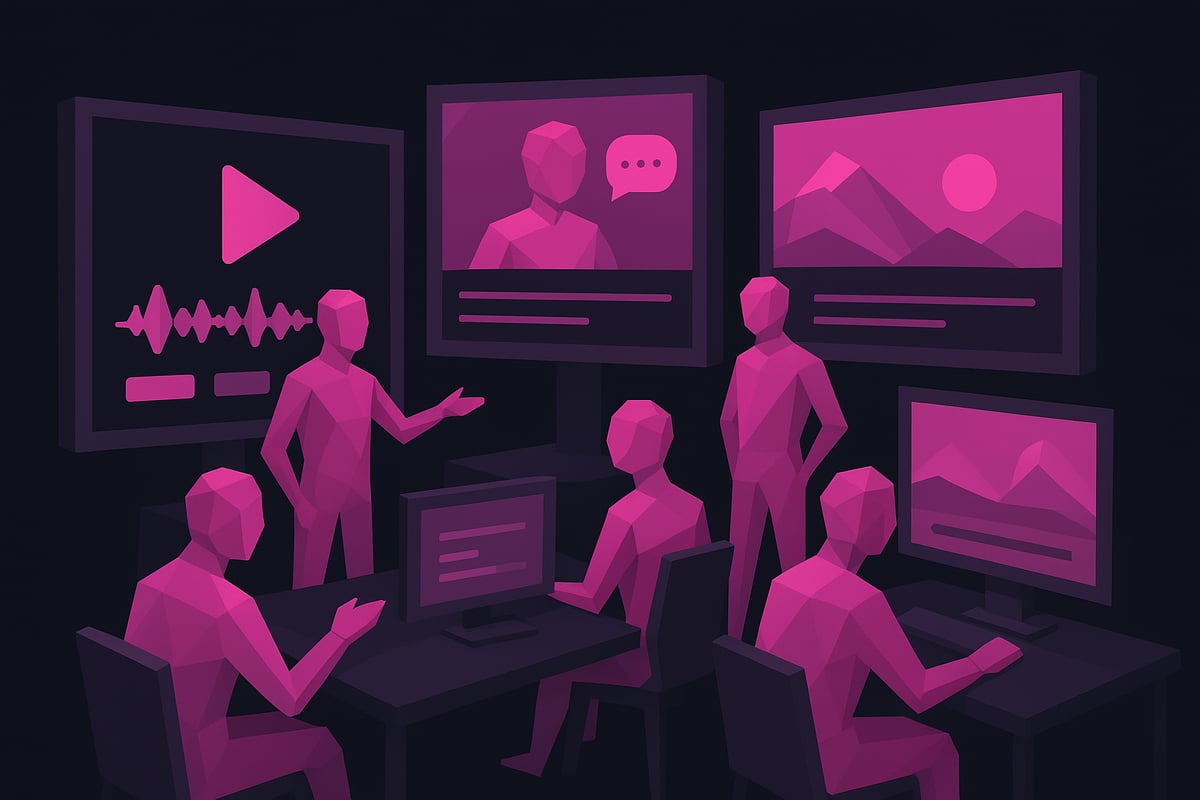
Storytelling is at the heart of every compelling video. When you create video from ai, leverage the technology’s ability to quickly prototype different narratives, moods, and structures. AI models can generate unique visual sequences from text prompts, helping you experiment with pacing, dialogue, and emotion.
Consider mapping out your key message first. Then, use AI to generate several versions of your story arc. Review the outputs and refine the one that best resonates with your audience. This iterative approach brings both efficiency and creativity together.
Customization and Branding
Effective branding is essential when you create video from ai for business or personal projects. Most leading AI video tools allow for detailed customization, so always align visuals with your brand identity.
Integrate logos, brand colors, and consistent fonts. Many platforms offer AI-driven templates, but for a unique touch, customize transitions, animations, and soundtracks. By maintaining brand consistency, you build trust and recognition with every video you publish.
Table: Customization Features in Top AI Video Platforms
| Feature | Benefit |
|---|---|
| Logo insertion | Instant brand recognition |
| Color palettes | Visual consistency |
| Voice cloning | Unique brand voice |
| Custom intros | Memorable video opening |
Enhancing Engagement with Interactivity
Today’s audiences expect more than passive viewing. To boost engagement, create video from ai that includes interactive elements. Many AI video tools now support clickable calls-to-action, quizzes, and branching storylines.
For example, you can embed shoppable links directly into product videos or add feedback polls at the end of tutorials. Interactive features not only increase watch time but also provide valuable insights into viewer preferences.
Leveraging AI for Localization and Accessibility
Reach broader audiences by using AI for localization and accessibility. When you create video from ai, take advantage of automated subtitle generation and voiceovers in multiple languages. This makes your content accessible to non-native speakers and those with hearing impairments.
A recent HubSpot report found that 68% of global marketers now localize video content with AI. Incorporating these features broadens your impact and ensures legal compliance with accessibility standards.
Overcoming Creative Block with AI Assistance
Even the most experienced creators face creative block. AI can help you break through these barriers when you create video from ai. Use AI tools as brainstorming partners to generate fresh concepts, alternative scripts, or innovative visuals.
Experiment by inputting different prompts or mixing media types, such as combining audio and images. AI can quickly produce multiple video variations, making it ideal for A/B testing and iterative improvement.
Ethical and Legal Considerations
As you create video from ai, always consider the ethical and legal landscape. Copyright, authenticity, and the risk of deepfakes are major concerns. Stay updated with best practices and industry guidelines to ensure responsible content creation.
Advanced detection tools, such as Skyra: AI-Generated Video Detection, are being developed to identify AI-generated videos and address authenticity challenges. Use these tools to maintain transparency, protect your reputation, and comply with regulations.
Use Cases: How Industries Are Leveraging AI Video Creation
AI is reshaping how organizations create video from ai, unlocking new efficiencies and creative potential. From global brands to independent creators, the ability to generate captivating visuals at scale is transforming business strategies and audience engagement. Let us explore how leading industries are putting these innovations to work.
Marketing and Advertising
Marketers are among the earliest adopters to create video from ai, using it to produce personalized ads and campaigns quickly. AI tools enable brands to craft hundreds of video variations tailored for specific audiences, platforms, and trends. This agility has driven measurable results, with 41% of brands using AI for video in their marketing mix, up from 18% the previous year.
- Automated A/B testing for video ads
- Dynamic product showcases for e-commerce
- Hyper-personalized messaging based on viewer data
Brands report up to 35% higher ROI from AI-powered campaigns, making this technology a staple in digital marketing.
Education and Training
Educational institutions and companies create video from ai to deliver engaging learning experiences. AI-driven platforms can convert text or slides into animated explainer videos, making complex topics accessible to diverse learners.
- Interactive microlearning modules
- Automated subtitle and translation features
- Personalized learning paths
Universities and online academies now use AI video for remote instruction, increasing retention and reducing content creation time.
Music and Entertainment
Artists and producers create video from ai to bring music and stories to life. AI tools can generate music videos, animate album art, and even synchronize visuals to beats.
- Instant lyric videos for new releases
- AI-powered animation for storytelling
- Virtual performances and collaborations
Independent musicians leverage these tools to launch viral content without large production teams, reaching global audiences with ease.
E-commerce and Product Demos
Retailers and product teams create video from ai to showcase items in action, boosting conversions and customer confidence. AI systems transform product photos and descriptions into compelling demo videos at scale.
- Automated 360-degree product tours
- AI-generated voiceovers explaining features
- Quick adaptation for different platforms and languages
These dynamic videos help online shoppers make informed decisions, driving measurable sales growth.
Social Media and Influencer Content
Social media creators and influencers create video from ai to stay ahead of trends and maintain a steady content pipeline. AI enables rapid video production for challenges, tutorials, and reactions tailored to each platform’s format.
- AI-edited clips for TikTok, YouTube Shorts, and Instagram Reels
- Auto-generated captions and effects
- Batch creation of short-form content
With 72% of influencers using AI video tools, content creation is faster and more accessible than ever.
The Future of AI Video Creation: Trends and Predictions for 2026 and Beyond
The next era of digital storytelling is unfolding. As businesses, creators, and educators race to create video from ai, five major trends are set to redefine how we produce and consume video content. Let’s explore what the future holds.
Advancements in Generative AI Models
AI models are rapidly evolving in both realism and creative capacity. In 2026, expect to see AI systems that can create video from ai with cinematic quality, nuanced storytelling, and advanced interactivity. Platforms like Meta’s Movie Gen are pushing the envelope, generating longer, customizable videos with unprecedented detail. For a deep dive into this innovation, see Meta unveils advanced video-creation AI.
The integration of multimodal inputs—text, audio, and visuals—will make it possible for anyone to orchestrate complex video projects. As generative models improve, the boundary between human and AI creativity will blur, opening new frontiers for content makers.
Democratization of Video Production
As AI tools become more accessible, the ability to create video from ai will no longer be limited to large studios or tech-savvy users. In 2026, intuitive platforms will empower small businesses and independent creators to produce professional-quality videos, regardless of budget or technical skill.
This democratization will fuel a surge in diverse content. With user-friendly interfaces and robust community support, anyone can transform ideas into engaging video stories. Expect a wave of fresh perspectives as barriers to entry continue to fall.
Integration with Augmented and Virtual Reality
The future will see AI-generated videos seamlessly integrated with AR and VR environments. Imagine being able to create video from ai that immerses viewers in interactive 3D worlds or overlays digital content onto real-life scenes.
This trend will revolutionize marketing, training, and entertainment. Brands can launch immersive campaigns while educators design virtual lessons. As AR/VR hardware becomes mainstream, AI-powered video will be the backbone of next-gen digital experiences.
Evolving Legal and Ethical Standards
As more people create video from ai, legal and ethical frameworks must evolve to address challenges like deepfakes, copyright, and content authenticity. In 2026, expect stricter regulations and improved verification tools to ensure transparency and prevent misuse.
Researchers and policymakers are collaborating to set best practices for responsible AI video use. For further insights into the technology’s broader impact, explore Generative AI for Content Creation. The coming years will prioritize balancing innovation with accountability.
Shifting Content Consumption Patterns
The way audiences consume video is changing. AI will enable hyper-personalized feeds, curating content based on viewer preferences and behavior. Platforms will use data-driven insights to recommend videos, making it easier for users to discover and engage with content.
Short-form, interactive, and immersive videos will dominate, challenging creators to adapt their strategies. As you create video from ai, staying ahead of these trends will be key to reaching and retaining your audience.
As you’ve seen throughout this guide, AI video creation in 2026 isn’t just for tech experts or big studios—it’s an opportunity for anyone with a vision to bring their ideas to life in minutes. With platforms like 1 More Shot, you can harness advanced tools to produce professional music videos that stand out, no camera crew required. If you’re ready to put these insights into action and see just how far your creativity can go, there’s no better time to dive in.
Start Creating Now