Generate Videos with AI: The Essential Guide for 2026
Imagine being able to generate videos with ai in just minutes. No need for a camera crew or hours of editing, only limitless creative potential at your fingertips.
Video is set to account for 82% of all online traffic by 2026, making it essential for anyone looking to engage audiences or grow a brand. AI video generators now empower creators, marketers, and businesses to produce professional content quickly and efficiently.
This essential guide will show you how to harness the latest AI breakthroughs, explore leading tools, and master step-by-step workflows for effortless, high-quality video creation—no technical expertise required.
The Evolution of AI Video Generation
The journey to generate videos with ai began decades ago, rooted in basic algorithmic editing and rule-based video assembly. Early tools could automate simple cuts, transitions, or overlays, but lacked true creative intelligence. As computing power grew, so did ambition, paving the way for machine learning techniques that could analyze and manipulate video content more effectively.

From Algorithmic Editing to Generative AI
The real transformation began with deep learning, which allowed computers to recognize patterns in vast datasets of video and audio. Generative Adversarial Networks (GANs) soon followed, enabling AI to synthesize new, realistic video footage by pitting two neural networks against each other. This breakthrough meant creators could generate videos with ai that looked and felt authentic, even without a camera.
Transformer models, popularized in natural language processing, were adapted for video. These models can understand context, style, and sequence, allowing for more coherent and compelling video generation. Today, AI can convert scripts, prompts, or even rough sketches into dynamic video content in minutes.
Opening Creative Doors for All
One of the most significant shifts has been the democratization of video production. Previously, professional video required expensive equipment, specialized skills, and large teams. Now, anyone can generate videos with ai using intuitive platforms, regardless of technical background.
This accessibility has changed the landscape for marketers, educators, and storytellers. For example, a small business can launch a personalized ad campaign in hours, while teachers can create custom lesson videos without outside help. According to Gartner, 70% of businesses plan to adopt AI video tools by 2026, signaling a dramatic shift in content creation.
Industry Impact and Viral Success
The ability to generate videos with ai has sparked innovation across industries:
- Marketing: Brands use AI to create tailored, interactive ads that boost engagement.
- Entertainment: Studios experiment with AI-generated trailers and visual effects.
- Education: Instructors produce explainer videos that adapt to different learning styles.
- Social Media: Influencers leverage AI for quick, on-trend content.
A recent example is a viral campaign where brands used AI to craft hundreds of unique, personalized video ads for viewers, dramatically increasing conversion rates and brand recall.
For a deeper dive into the technology powering these advancements, see Video Generation with AI Explained.
Trends and Challenges for 2026
Looking ahead, several trends stand out as AI reshapes video:
| 2026 Trend | Description |
|---|---|
| Hyper-realistic avatars | Digital actors indistinguishable from real ones |
| Text-to-video generation | Instant conversion of scripts to video |
| Automated pipelines | End-to-end video production with minimal input |
| Real-time rendering | Instant previews and edits |
However, there are challenges to address. Ethical concerns around deepfakes, consent, and content authenticity are growing. As more creators generate videos with ai, the need for clear disclosure and responsible use becomes critical.
The evolution of AI video generation is both exciting and complex. With rapid advances and widespread adoption, the power to generate videos with ai is now within reach for everyone, but must be used thoughtfully and transparently.
How AI Video Generators Work: Core Technologies Explained
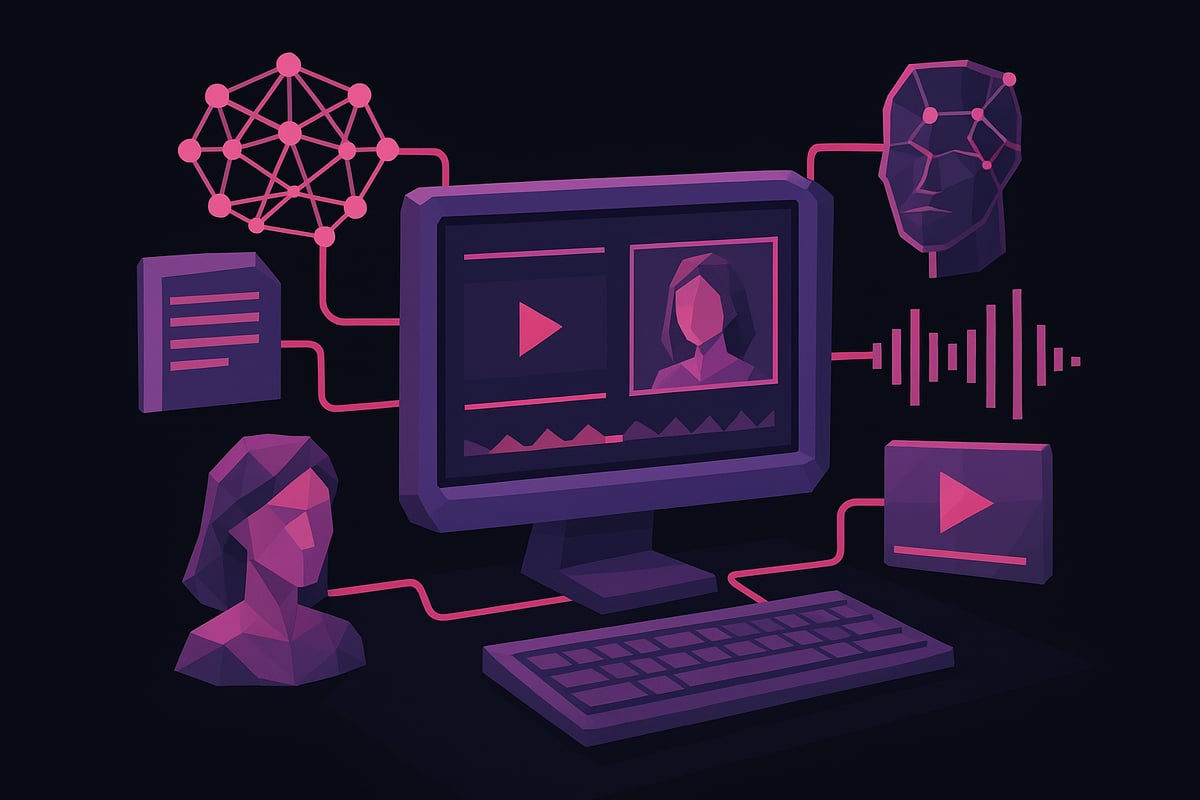
Imagine being able to generate videos with ai in just a few clicks. The magic behind this lies in a powerful blend of machine learning, neural networks, and computer vision. These technologies work together to automate every stage of video creation, making the process faster and more accessible than ever before.
Text-to-Video: Script to Scene
Text-to-video technology lets users generate videos with ai by simply providing scripts or prompts. Advanced models analyze text, extract meaning, and assemble scenes using stock footage, animations, or even synthetic actors. Recent breakthroughs like transformer models have made these tools more accurate and creative, opening doors for anyone to produce engaging explainer or marketing videos.
Key features include:
- Natural language processing for script understanding
- Automated scene selection and generation
- Support for multiple languages and styles
Audio-to-Video: Sound-Driven Visuals
AI can generate videos with ai using only an audio track. Audio-to-video systems synchronize visuals with music, speech, or sound effects, creating lyric videos, podcasts, or music promos. These tools analyze tempo, mood, and vocal patterns, then match them with animations, transitions, or even realistic avatars performing the audio.
Benefits of this approach:
- Automatic beat and lyric synchronization
- Mood-based visual effects
- Customizable animation styles for different genres
Deepfake Technology: Power and Protection
Deepfake technology is a double-edged sword in efforts to generate videos with ai. On one hand, it enables realistic face-swaps, digital doubles, and voice cloning for creative storytelling. On the other, it raises concerns about authenticity and misuse. Safeguards are built in, such as watermarking and AI-based detection, to help ensure content integrity.
Key points about deepfakes:
- Used for entertainment, marketing, and education
- Risks include misinformation and identity theft
- Ongoing research into ethical safeguards and detection
Customization and Real-Time Rendering
Customization is at the heart of modern efforts to generate videos with ai. AI-driven tools offer editing features like style transfer, smart overlays, and adaptive scene changes. Real-time rendering, powered by cloud computing and edge AI, enables creators to see instant previews and make fast adjustments.
A useful resource for exploring these technologies is the AI Video Creation Tools Overview, which details how leading platforms integrate these advanced capabilities.
Key customization tools:
- Voice cloning and lip-sync for personalized narration
- Drag-and-drop scene builders with AI suggestions
- Multi-format export for social media and websites
Real-World Example and Impact
Consider a business aiming to generate videos with ai for product explainers. By feeding a blog post and images into an AI platform, they quickly receive a polished video ready for social channels. According to HubSpot (2025), companies have reported a 60% reduction in production time after adopting AI video tools.
In summary, the technologies powering the ability to generate videos with ai are not only advancing rapidly, they are also making video content creation more efficient, affordable, and creative for everyone.
Step-by-Step: How to Generate Videos with AI in 2026
Unlocking the ability to generate videos with ai is more accessible than ever in 2026. Whether you are a marketer, educator, or creative, following a proven workflow ensures your videos are impactful and professional. Let’s explore each step to help you harness the full potential of AI-powered video creation.
Step 1: Define Your Video Goals and Audience
Start by clarifying why you want to generate videos with ai. Are you aiming to market a product, educate an audience, entertain viewers, or personalize communications? Pinpointing your purpose sets the foundation for a focused, effective project.
Next, identify your target audience. Consider their preferences, demographics, and the platforms they frequent. This helps you tailor your content style, tone, and format for maximum impact.
Set clear objectives for your video. Do you want to boost brand awareness, drive conversions, or increase engagement rates? For example, an e-commerce brand might generate videos with ai to showcase products, resulting in higher sales.
According to Wyzowl (2025), personalized videos increase engagement by 35 percent. When you define precise goals, every stage of the AI video generation process becomes more streamlined and successful.
Step 2: Choose the Right AI Video Generator
Selecting the right tool is crucial when you generate videos with ai. Evaluate features such as text-to-video, audio-to-video, customizable templates, and export formats. Compare pricing, scalability, and customer support to find a platform that aligns with your needs.
Look for integrations with your existing workflow. Seamless connections to social media, content management systems, or analytics platforms can save significant time.
For example, a small business might generate videos with ai for quick, eye-catching social media ads. Ease of use is a top priority; 80 percent of creators value intuitive platforms (Animoto, 2025).
A well-chosen tool can reduce production costs by up to 50 percent. For an in-depth, practical comparison, check out this How to Create AI Videos guide to streamline your selection process.
Step 3: Prepare Your Content Inputs
Gather all necessary assets before you generate videos with ai. This includes scripts, images, audio tracks, logos, and brand guidelines. Well-organized inputs ensure the AI system delivers content that aligns with your vision.
Write clear, concise prompts if you are using text-to-video AI. Quality prompts lead to more accurate scene generation and storytelling.
Optimize your audio—whether music or voice-over—by ensuring clarity and removing background noise. For instance, brands often use their product catalog and style guides to maintain consistency across videos.
Remember, the effort you invest in preparing your materials directly influences the quality of the final output when you generate videos with ai.
Step 4: Customize and Generate Your Video
Now it is time to truly generate videos with ai. Choose templates or visual styles that reflect your brand identity. Adjust key settings such as video duration, resolution, and aspect ratio to fit your distribution channels.
Take advantage of advanced features, including:
- AI-driven voice cloning and lip-sync for realistic narration
- Automated scene transitions and effects
- Real-time previews for instant feedback
Iterate as needed. Preview your video, make adjustments, and test different versions to see what resonates best. For example, a marketer might tweak AI-generated scenes to align with a campaign’s visual theme.
According to Lumen5 (2025), 73 percent of users edit AI videos before exporting. Customization is essential to maximize authenticity and impact when you generate videos with ai.
| Feature | Benefit | Example Use Case |
|---|---|---|
| Voice Cloning | Personalized narration | Product walkthroughs |
| Scene Transitions | Smooth storytelling | Educational series |
| Real-time Previews | Faster feedback loop | Social media ad campaigns |
Step 5: Review, Edit, and Export
Before you share your project, carefully review your AI-generated video. Use AI-assisted editing features for automatic cuts, transitions, and enhancements. Then, add manual touches such as overlays, captions, and branding elements.
Export your video in the optimal format for its intended platform. For example, educators might generate videos with ai and export both vertical and horizontal versions for different e-learning environments.
Buffer (2025) reports that multi-format exports can double engagement rates. A thorough review and strategic export ensure your videos appear polished and professional wherever they are published.
Step 6: Distribute and Analyze Performance
Distribute your AI-generated videos across key channels—social media, websites, and email campaigns. Use built-in analytics to track views, engagement, and conversions.
Leverage AI-powered recommendations to refine future videos. For instance, influencers can generate videos with ai, analyze performance data, and adjust their content strategy for better results.
HubSpot (2025) notes that AI-driven insights can improve video ROI by 40 percent. Continuous optimization is vital to staying ahead in the evolving video landscape.
Top AI Video Generation Tools for 2026
The landscape to generate videos with ai in 2026 is more vibrant and accessible than ever. A new wave of AI video generators is empowering creators, marketers, educators, and musicians to produce stunning content without traditional barriers. With advanced features, seamless workflows, and a focus on user experience, these platforms are transforming digital storytelling.
To help you navigate this space, here is a comparative snapshot of top categories:
| Category | Key Features | Best For |
|---|---|---|
| Text-to-Video Generators | Script-to-video, avatars | Explainers, training |
| Audio-to-Video & Music Video Generators | Beat sync, lyric visuals | Musicians, artists |
| AI Video Editing Platforms | Auto-cuts, smart overlays | Brands, social media |
Text-to-Video Generators
Text-to-video generators have become the go-to option for professionals looking to generate videos with ai efficiently. These platforms enable users to turn scripts or prompts into animated or live-action videos with ease. Leading tools offer features such as customizable avatars, scene selection, and support for multiple languages, making high-quality video content more accessible than ever.
For instance, marketers are using these tools to create compelling explainer videos in minutes, reaching wider audiences and boosting engagement. According to TechCrunch, 58 percent of businesses now rely on text-to-video platforms for internal training and customer education. OpenAI’s Sora: OpenAI’s Text-to-Video Model is a significant innovation, setting new benchmarks in realism and flexibility.
To discover the latest platforms and compare their strengths, review this comprehensive list of the Best AI Video Generators available in 2026. The growing adoption of these tools is a testament to their impact on modern video creation.
Audio-to-Video and Music Video Generators
AI-powered audio-to-video generators are revolutionizing how musicians and creators generate videos with ai. These platforms automatically sync visuals to music or spoken audio, using advanced beat detection and lyric visualization to create dynamic, mood-driven animations.
Indie musicians can now produce professional-grade music videos without a film crew or complex editing software. Features like mood-based animation and multi-format exports help artists widen their reach and maintain creative control. Rolling Stone reports that 65 percent of musicians plan to integrate AI video tools into their workflows by 2026.
This category is not just for musicians. Podcasters, educators, and brands leverage these tools to turn audio content into visually engaging assets, enhancing audience retention and expanding distribution channels.
1 More Shot: AI-Powered Music Video Generator
1 More Shot: AI-Powered Music Video Generator stands out as the fastest and most accurate way to generate videos with ai for music tracks. This platform instantly transforms any song into a high-definition, professional music video—no watermarks, no technical hurdles.
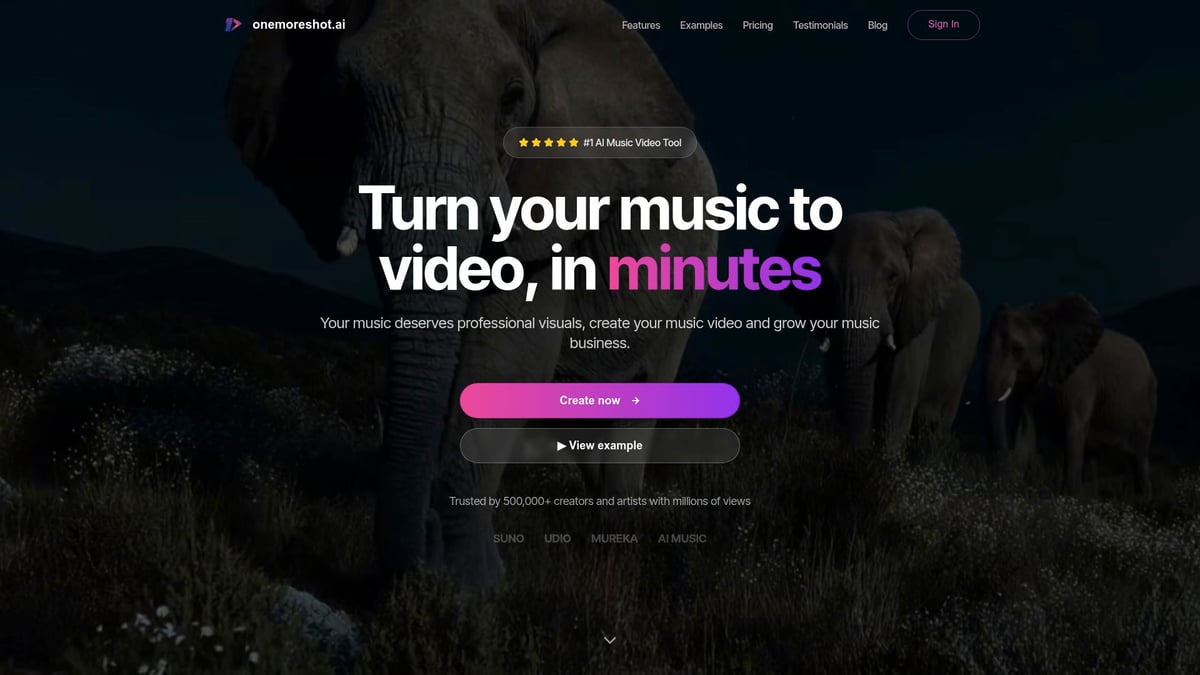
Key features include AI-driven lip-sync, multi-format export, and advanced customization. The platform is trusted by over 500,000 creators and boasts a 98 percent satisfaction rate. Indie artists use it to grow their audience, while producers and content creators appreciate its affordability and accessibility.
For anyone seeking to generate videos with ai for music promotion or creative projects, 1 More Shot offers a unique blend of speed, quality, and user-centric design.
AI Video Editing and Enhancement Platforms
AI video editing and enhancement platforms are streamlining the way brands and creators generate videos with ai across multiple channels. These tools provide features like auto-cuts, scene enhancements, real-time previews, and smart overlays, allowing for rapid iteration and professional polish.
A brand manager, for example, can edit campaign videos for different social platforms in a fraction of the time previously required. According to Forbes, 72 percent of marketers now use AI-powered editors for social content, citing significant improvements in workflow efficiency and output quality.
Customization options such as voice cloning and advanced scene transitions enable users to maintain brand consistency while experimenting with creative storytelling. The result is a more agile, impactful video strategy that keeps pace with evolving digital trends.
Best Practices and Future-Proof Strategies for AI Video Creation
Unlocking the full potential to generate videos with ai requires a blend of creativity, ethical awareness, platform strategy, and future readiness. As AI continues to reshape video production, following these best practices will help you create standout content and stay ahead in the evolving digital landscape.
Creative Storytelling with AI
To generate videos with ai that truly captivate, blend automation with authentic storytelling. While AI can streamline scene generation and suggest visuals, the heart of engagement lies in your narrative. Start by crafting prompts and scripts that evoke emotion, clarity, and relevance.
Tips for compelling AI video storytelling:
- Use vivid, action-oriented language in prompts.
- Incorporate relatable characters and scenarios.
- Structure content with a clear beginning, middle, and end.
Consider nonprofits leveraging AI to tell stories that drive donations and awareness. According to Vidyard, story-driven videos achieve three times higher viewer retention. By combining your creative direction with AI’s production speed, you can deliver messages that resonate and inspire.
Ethical and Legal Considerations
When you generate videos with ai, prioritizing ethics and legality is essential. Protect intellectual property by using licensed assets or creating original content. Always obtain consent for likenesses or voices, especially with deepfake technologies.
Transparency is vital. Disclose the use of AI in your videos when appropriate, building trust with your audience. Be mindful of deepfake risks and potential misuse. Many brands now include disclaimers in AI-generated marketing videos to uphold integrity.
Recent studies show that 55 percent of consumers value ethical AI practices. Establish clear guidelines for copyright, attribution, and data privacy. By embedding responsible standards, you safeguard both your reputation and your viewers.
Optimizing for Multi-Platform Distribution
To maximize reach, generate videos with ai tailored for each distribution channel. Platforms like YouTube, TikTok, and Instagram have distinct format, length, and style preferences. Adapting your content ensures it looks and performs its best everywhere.
Best practices for multi-platform success:
- Export videos in both vertical and horizontal formats.
- Adjust captions, overlays, and call-to-actions for each platform.
- Repurpose core content with platform-specific edits.
Influencers often repurpose AI-generated videos across multiple platforms, boosting visibility and engagement. According to Sprout Social, multi-platform distribution can increase your reach by 60 percent. A flexible, audience-focused strategy is key to sustained growth.
Staying Ahead: Trends to Watch in 2026
Looking forward, those who generate videos with ai will need to embrace emerging trends to stay competitive. Expect rapid growth in personalized video at scale, real-time interactive content, and shoppable AI-generated experiences.
AR, VR, and metaverse integrations will become more common, transforming how audiences interact with video. Retailers are already launching interactive AI video ads that drive conversions and deepen engagement.
For a detailed look at industry projections and innovation, review the AI Video Generator Market Report. Statista reports that 68 percent of marketers plan to invest in AI video innovation in 2026. Staying agile and informed ensures your strategies remain future-proof.
You’ve seen how AI is transforming video creation, making it easier than ever to produce professional music videos without a big budget or technical hassle. Whether you’re a musician, marketer, or content creator, the right AI tools can help you tell your story, reach wider audiences, and keep up with the fast-moving world of digital content. If you’re ready to put these insights into action and experience just how intuitive and powerful AI video generation can be, there’s no better time to take the next step.
Start Creating Now