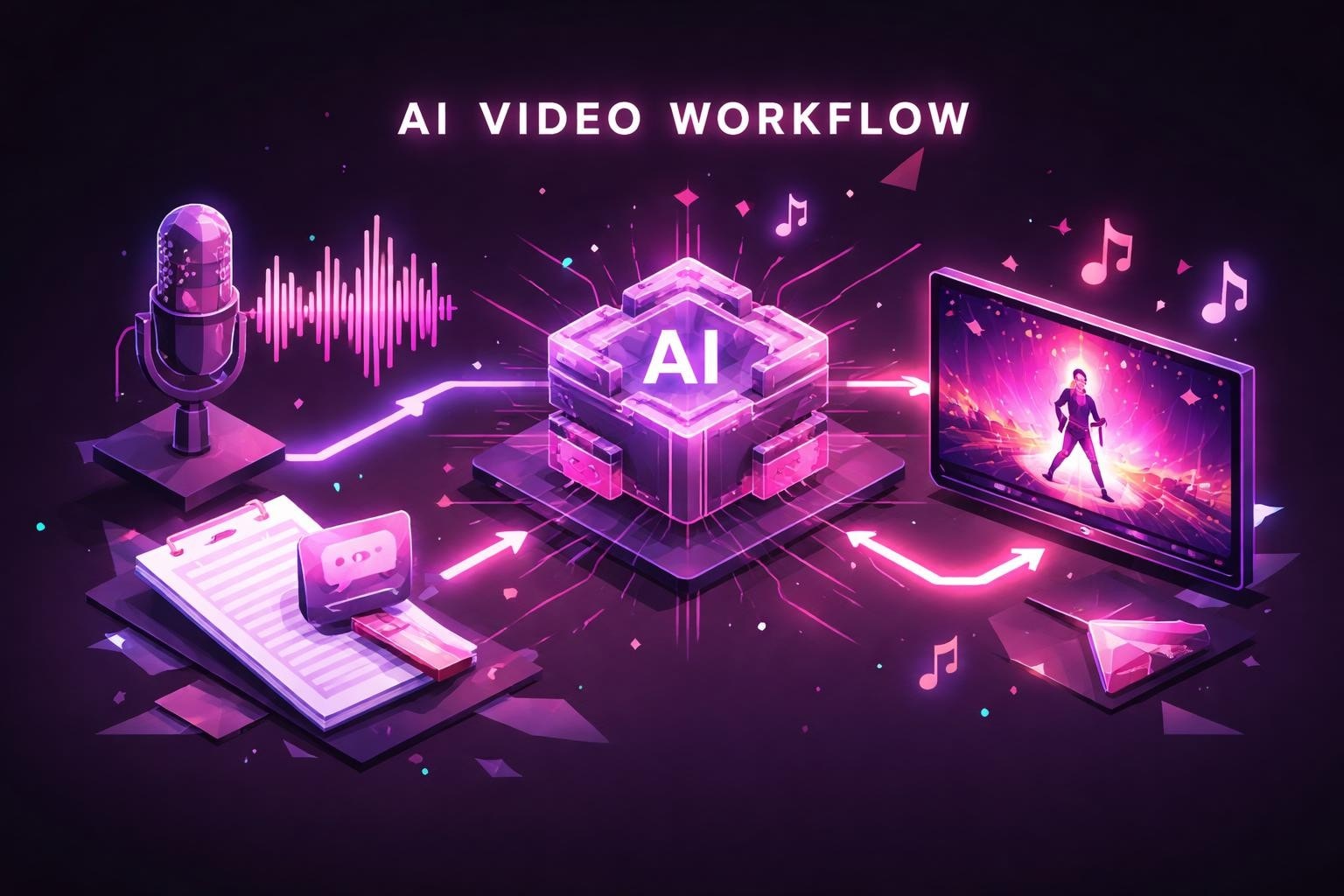
Making AI Video: Complete Guide for Music Video Creation
The landscape of video production has transformed dramatically with artificial intelligence, particularly in the music industry where visual content drives engagement. Making ai video has evolved from a complex, technical process requiring expensive equipment and specialized skills into an accessible workflow that empowers creators at all levels. This shift represents not just a technological advancement but a fundamental reimagining of how music videos are conceptualized, produced, and distributed in the modern digital ecosystem.
Understanding AI Video Generation Technology
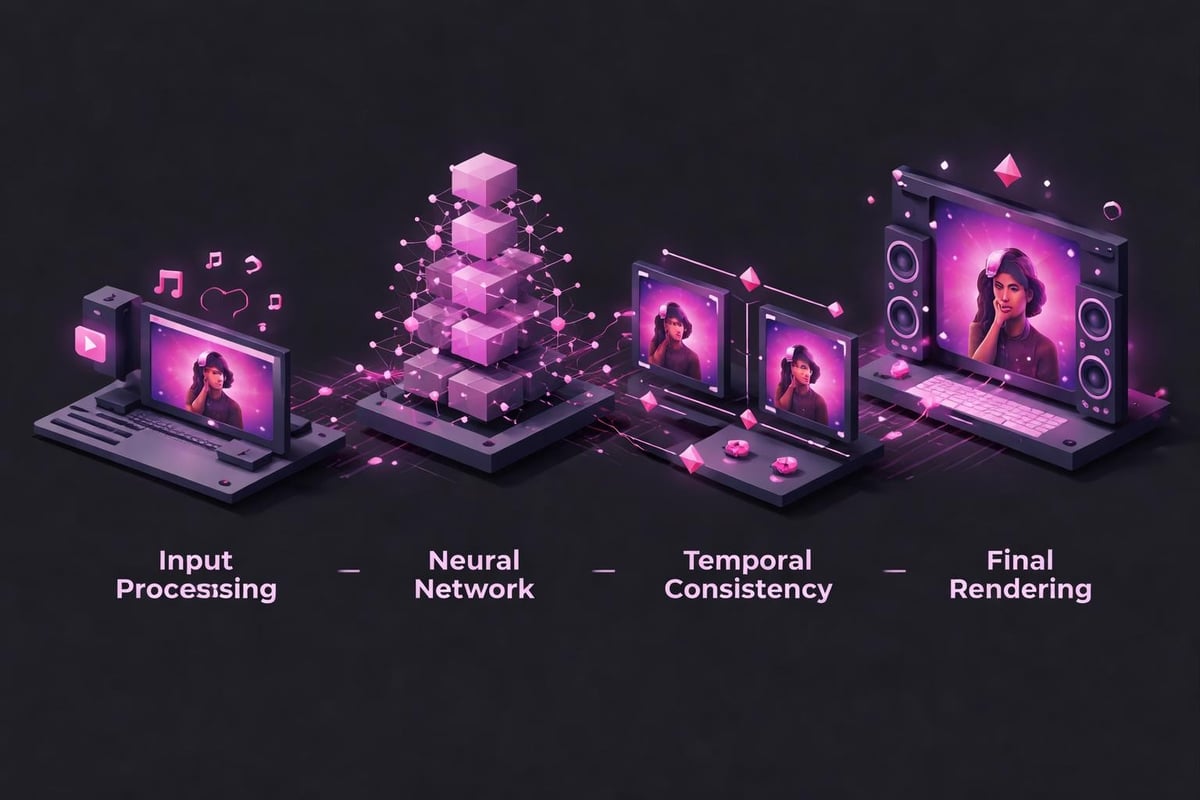
The foundation of making ai video relies on sophisticated machine learning models that process text prompts, audio inputs, or existing images to generate dynamic video content. These systems utilize neural networks trained on millions of video examples, learning patterns of motion, composition, and visual storytelling that translate user inputs into coherent video sequences.
Advanced generative models employ several key technologies:
- Temporal consistency algorithms that maintain visual coherence across frames
- Motion synthesis networks that create realistic movement patterns
- Style transfer capabilities that apply artistic effects
- Audio-reactive processing that synchronizes visuals with music
Recent developments in video generation AI have made these systems increasingly sophisticated. The comprehensive review of text-to-video models demonstrates how platforms can now interpret complex creative directions and generate videos that align with artistic vision while maintaining technical quality standards.
Hardware Requirements and Accessibility
One significant barrier to making ai video has been computational requirements. Traditional video generation demanded high-end graphics processing units with substantial VRAM, limiting accessibility to users with expensive hardware. However, innovations like FramePack have enabled local video generation with just 6GB of VRAM, democratizing access to these powerful creative tools.
| Hardware Tier | VRAM Required | Generation Speed | Quality Level |
|---|---|---|---|
| Entry Level | 6-8GB | Moderate | Good |
| Mid-Range | 12-16GB | Fast | Excellent |
| Professional | 24GB+ | Very Fast | Premium |
This accessibility revolution means musicians and content creators can experiment with making ai video without significant upfront investment in hardware infrastructure.
Workflow for Creating Music Videos with AI
The process of making ai video for music content follows a structured workflow that balances creative vision with technical execution. Understanding each phase ensures optimal results and efficient production.
Pre-Production Planning
Before generating your first frame, define your creative parameters:
- Analyze your audio track’s mood, tempo, and structural elements
- Develop a visual concept that complements the musical themes
- Create detailed text prompts describing desired scenes and aesthetics
- Determine the style consistency requirements across the video
- Plan transitions that align with musical changes
This preparation phase significantly impacts the quality of your final output. Musicians working with AI music video creation find that detailed planning reduces iteration cycles and produces more cohesive results.
Input Preparation and Prompt Engineering
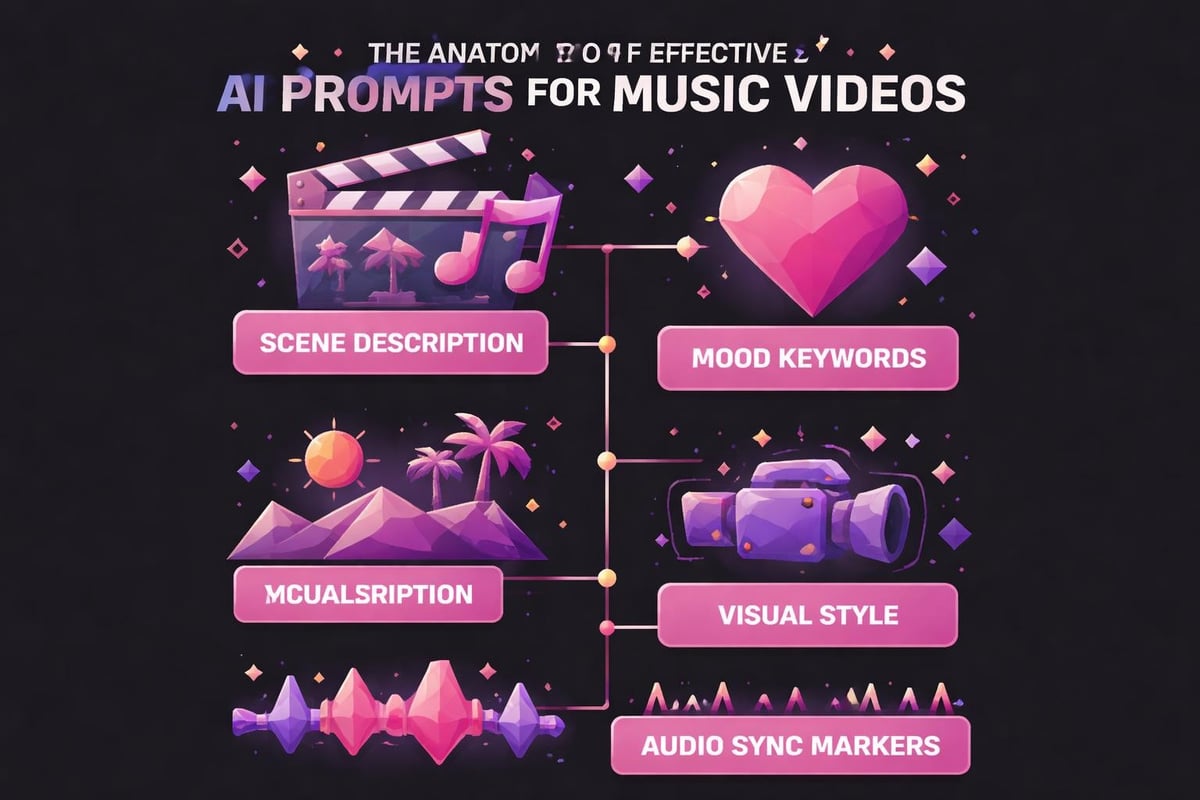
The art of making ai video centers on effective prompt engineering. Your text descriptions must balance specificity with creative flexibility, providing enough detail for the AI to understand your vision while allowing room for the model’s creative interpretation.
Effective prompts include:
- Specific visual elements and settings
- Mood descriptors and atmospheric details
- Camera movement and framing instructions
- Lighting and color palette preferences
- Temporal markers linked to musical progression
Consider how your prompts evolve throughout the video. A static description produces repetitive visuals, while progressive prompts that respond to musical dynamics create engaging narrative flow. Platforms specializing in AI video creation tools often provide prompt templates and guidance for optimal results.
Technical Considerations for Quality Output
Making ai video that meets professional standards requires attention to several technical parameters that influence final output quality. These considerations apply whether you’re creating content for social media, streaming platforms, or commercial distribution.
Resolution and Frame Rate Settings
Modern AI video generators support various output specifications:
| Format | Resolution | Frame Rate | Use Case |
|---|---|---|---|
| Social Media | 1080p | 30fps | Instagram, TikTok |
| Standard | 1080p | 60fps | YouTube, General |
| Professional | 4K | 30/60fps | Commercial, Premium |
| Experimental | Variable | Variable | Artistic Projects |
Higher resolutions and frame rates demand more processing power and generation time. Balance your quality requirements against production timelines and platform specifications. Most AI video generators offer preset profiles optimized for specific platforms.
Audio-Visual Synchronization
The hallmark of effective music videos is precise synchronization between audio and visual elements. When making ai video for music, this synchronization occurs through several mechanisms:
- Beat detection algorithms that identify rhythmic patterns
- Amplitude mapping that translates audio intensity to visual changes
- Spectral analysis that assigns different frequencies to visual elements
- Temporal markers that trigger scene transitions at specific timestamps
Advanced platforms employ research-backed approaches to video generation that ensure visual elements respond naturally to musical dynamics without appearing mechanically synchronized.
Creative Strategies for Music Videos
Beyond technical execution, making ai video demands creative strategies that distinguish compelling content from generic output. Musicians and visual artists approach AI as a collaborative tool rather than a replacement for creative vision.
Style Consistency and Visual Identity
Maintaining a coherent visual identity throughout your video strengthens brand recognition and artistic impact. This consistency manifests through:
- Color palette adherence that reflects your musical brand
- Compositional patterns repeated with variation
- Motion styles that establish visual rhythm
- Thematic elements that reinforce lyrical content
- Transition techniques that create flow without disruption
Some creators leverage AI enhancement features to refine generated content, ensuring each frame aligns with their established aesthetic while introducing enough variation to maintain viewer interest.
Narrative Development
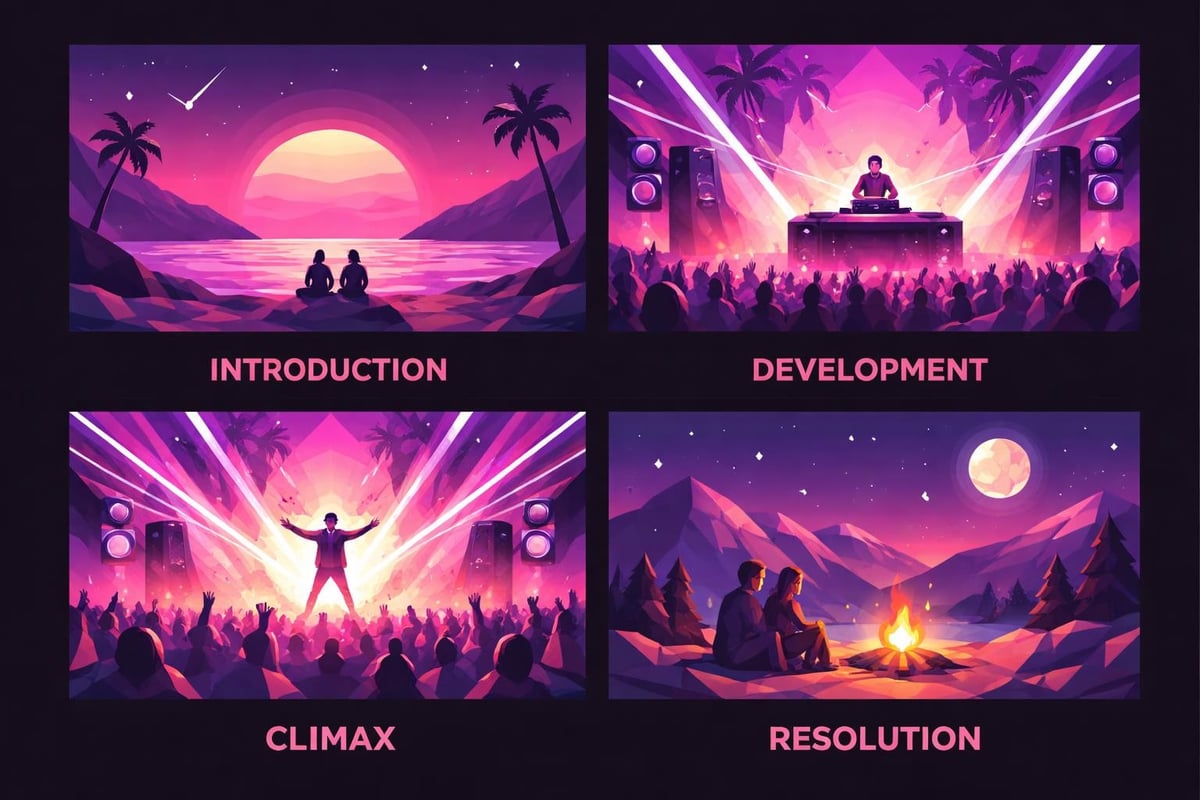
Music videos tell stories through visual progression. When making ai video, structure your narrative through:
- Scene progression that builds emotional intensity
- Character consistency if featuring personas or avatars
- Environmental evolution that reflects musical journey
- Symbolic imagery that reinforces thematic content
The most effective AI-generated music videos balance abstraction with narrative clarity, providing viewers with visual anchors while allowing interpretive freedom.
Platform Selection and Feature Comparison
The expanding ecosystem of AI video generation platforms offers diverse approaches to making ai video. Understanding platform distinctions helps creators select tools aligned with their specific needs and creative workflows.
Evaluation Criteria
When comparing platforms, consider:
- Generation speed and output quality
- Audio synchronization capabilities
- Customization and control options
- Export formats and resolution support
- Pricing structure and usage limits
- Integration with music production tools
Specialized music video generators offer features specifically designed for audio-visual synchronization, while general video AI platforms provide broader creative flexibility at the cost of music-specific optimization.
Integration with Music Production Workflows
Modern musicians work within established production ecosystems. The best AI video tools integrate seamlessly with existing workflows, accepting common audio formats and exporting to industry-standard video specifications. Platforms supporting direct integration with music services streamline the process from composition to final video delivery.
Advanced Techniques and Optimization
As creators gain experience making ai video, advanced techniques unlock higher quality outputs and more efficient workflows. These approaches leverage deeper understanding of AI model behavior and creative problem-solving.
Multi-Pass Generation Strategies
Rather than generating entire videos in single passes, sophisticated creators employ iterative approaches:
- Generate foundational scenes establishing visual themes
- Refine transitions and connecting sequences
- Add detail layers with targeted generation
- Apply post-processing for polish and consistency
- Integrate manual adjustments where AI output falls short
This methodology produces superior results compared to single-pass generation, particularly for longer-form content requiring sustained visual coherence.
Prompt Iteration and Refinement
Effective making ai video involves systematic prompt refinement based on output analysis. Creators develop libraries of successful prompts, noting which descriptions produce desired results and which require adjustment. This iterative learning accelerates workflow efficiency and improves output quality over time.
Key optimization strategies include:
- Testing prompt variations to identify effective language
- Maintaining prompt templates for consistent results
- Documenting successful parameter combinations
- Building style reference libraries
- Analyzing generation failures to avoid problematic inputs
Research into generative adversarial networks for video informs how creators can structure inputs for optimal model performance, particularly regarding motion dynamics and temporal consistency.
Platform-Specific Workflows
Different content platforms demand distinct approaches to making ai video. Understanding these requirements ensures your generated content performs optimally across distribution channels.
Social Media Optimization
Platform-specific considerations:
- Instagram/TikTok: Vertical format, attention-grabbing openings, rapid visual changes
- YouTube: Longer narrative arcs, thumbnail-worthy moments, varied pacing
- Twitter/X: Immediate impact, loopable sequences, compact storytelling
- Facebook: Subtitled-friendly visuals, emotional resonance, shareable moments
Tools offering multiple format support streamline cross-platform distribution by generating platform-optimized versions from single projects.
Commercial and Professional Applications
Professional music video production with AI requires additional quality assurance and rights management considerations. Commercial projects benefit from platforms offering:
- Commercial usage rights and licensing clarity
- Higher resolution output options
- Brand safety controls
- Customization depth for unique visual identities
- Export specifications meeting broadcast standards
The best AI video applications balance accessibility with professional-grade capabilities, serving both emerging artists and established musicians.
Quality Control and Post-Processing
Even the most advanced AI generation benefits from quality control measures and selective post-processing. Making ai video professionally involves critical evaluation and targeted refinement.
Common Issues and Solutions
| Issue | Cause | Solution |
|---|---|---|
| Frame inconsistency | Temporal model limitations | Multi-pass generation, manual correction |
| Audio desync | Processing latency | Timing adjustment, re-rendering |
| Style drift | Long generation sequences | Segment-based generation, style anchoring |
| Artifacting | Model hallucinations | Targeted regeneration, masking |
Identifying these issues early in the workflow prevents compounded problems in final output. Systematic review at key milestones ensures quality standards throughout production.
Enhancement and Finishing Touches
Post-generation enhancement elevates AI video from good to exceptional. Professional workflows incorporate:
- Color grading to establish mood and consistency
- Transition refinement for seamless flow
- Audio mastering alignment with visual dynamics
- Text and graphic overlays for branding
- Final quality assurance across all technical parameters
These finishing touches distinguish professional content from raw AI output, demonstrating the continued importance of human creative judgment in making ai video.
Future Developments and Emerging Trends
The field of AI video generation continues evolving rapidly, with emerging capabilities reshaping what’s possible in music video creation. Understanding these trends helps creators anticipate opportunities and prepare for shifting technological landscapes.
Real-Time Generation
Advancing processing capabilities point toward real-time AI video generation, enabling live performance visuals that respond dynamically to musical input. This development would transform making ai video from a production activity into a performance tool, opening new creative possibilities for live events and interactive content.
Increased Customization Depth
Future platforms will likely offer greater control over generation parameters, allowing creators to fine-tune model behavior for specific aesthetic goals. This evolution balances automation’s efficiency advantages with artists’ needs for creative control and distinctive visual identities.
Anticipated capabilities include:
- Granular style control at the layer level
- Custom model training on personal visual libraries
- Advanced physics and motion simulations
- Improved object and character persistence
- Enhanced understanding of complex creative directions
The trajectory points toward AI as a more sophisticated creative partner rather than a simple automation tool, requiring creators to develop new skills in directing and collaborating with intelligent systems.
Making ai video has transformed from a specialized technical challenge into an accessible creative process that empowers musicians and content creators to produce professional-quality visual content efficiently. The combination of advancing technology, improved accessibility, and evolving creative techniques continues expanding possibilities for artists at all levels. Whether you’re an independent musician seeking to visualize your latest track or a professional producer managing multiple projects, 1 More Shot provides the specialized tools and AI-powered capabilities designed specifically for creating compelling music videos that engage audiences and elevate your creative vision.