The Essential Guide to Using AI to Create Video in 2026
AI video creation tools have surged in popularity, rapidly transforming how content is produced and shared by 2026. Thanks to advanced AI, video production is now accessible to creators, businesses, and marketers of all sizes. This revolution has unlocked new creative possibilities, delivering a competitive edge, significant cost savings, and faster turnaround for video projects.
If you are interested in using ai to create video, this guide will walk you through the essentials. We will cover the evolution of AI video, the 2026 landscape, a step-by-step creation guide, top tools, best practices, and future trends.
The Evolution of AI in Video Creation
The journey of using ai to create video has been nothing short of revolutionary. Early on, basic automation tools like Lumen5 offered simple solutions for turning text into video, but they were limited in creative depth and realism. As deep learning and neural networks advanced, generative AI models emerged, enabling the synthesis of hyper-realistic visuals and audio. This shift unlocked new creative possibilities and set the stage for a wave of innovation in video production.

From Early Automation to Generative AI
In the initial phase, using ai to create video meant relying on automation for repetitive editing tasks. Lumen5, for example, allowed users to convert blog posts into short videos, but customization was basic and the output felt generic. With the rise of deep learning, AI began to understand context, style, and intent, leading to tools that could generate video scenes, animate avatars, and even craft original storylines. These breakthroughs marked a turning point, enabling creators to produce content that was both scalable and visually compelling.
Key Milestones (2020–2026)
The period from 2020 to 2026 witnessed rapid advancements in using ai to create video. Text-to-video models, real-time rendering engines, and multimodal AI systems became mainstream. Landmark models such as OpenAI Sora, Google Lumiere, and Meta’s Emu Video set new standards for realism and flexibility. Adoption soared, with Statista reporting that 65% of creators were leveraging AI video tools by 2025. For a deeper dive into these pivotal shifts and future developments, explore the latest AI video creation trends.
Impact on Content Creation and Distribution
The impact of using ai to create video has transformed how content is produced and shared. Production times have decreased by up to 10x, while costs have dropped by as much as 70% according to HubSpot (2025). This has made high-quality video accessible to solo creators, startups, and large brands alike. For instance, global brands now roll out personalized ad campaigns within hours, and independent creators can publish cinematic-quality videos without large budgets. The result is a more dynamic, competitive, and creative content landscape.
AI Video Use Cases Across Industries
Today, using ai to create video is driving innovation across numerous sectors. In marketing, AI-generated explainer videos boost engagement and conversion rates. Education benefits from personalized learning modules delivered as interactive video lessons. Entertainment studios use AI to produce trailers and visual effects, while e-commerce platforms showcase products with AI-powered demos. Even the music industry has embraced AI for automated music videos, leading to higher engagement and measurable ROI for artists and marketers alike.
Current AI Video Creation Landscape in 2026
The landscape for using ai to create video in 2026 is more dynamic and accessible than ever before. Creators and brands now have powerful tools at their fingertips, allowing them to generate high-quality videos with unprecedented speed and flexibility. AI video technology continues to break barriers, fueling innovation across industries and enabling new forms of storytelling.
Leading AI Video Tools and Platforms
A diverse set of platforms now dominate the market for using ai to create video. Top names include OpenAI Sora, Synthesia, Runway, DeepBrain, and Pictory. Each offers unique strengths, such as text-to-video generation, avatar creation, multi-language support, and style transfer.
Here’s a comparison of some leading platforms:
| Platform | Key Features | Strengths |
|---|---|---|
| Sora | Text-to-video, real-time editing | Hyper-realistic visuals |
| Synthesia | AI avatars, multi-language | Corporate & training videos |
| Runway | Gen-4 model, style transfer | Creative effects, flexibility |
| Pictory | Script-to-video, summarization | Fast social video creation |
For creators seeking specialized solutions, platforms like Best AI music video tools offer a curated roundup of music-focused AI video generators.
Capabilities and Limitations of 2026 AI Video Technology
The capabilities of using ai to create video have reached new heights in 2026. AI systems now deliver hyper-realistic visuals, real-time editing, voice cloning, and seamless lip-sync. Videos can be generated from simple prompts or scripts, making production highly efficient.
However, some challenges persist. Ethical concerns around deepfakes and copyright remain at the forefront. Creative control, while improved, can still be limited by the boundaries of current AI models. Responsible use and clear disclosure are essential for trust and compliance.
Integration with Other Creative Technologies
Modern workflows for using ai to create video benefit from integration with AI music, graphics, and voice synthesis tools. Cross-platform compatibility allows creators to blend video, music, and animation with ease.
Teams now coordinate projects using cloud-based platforms, enabling seamless collaboration. Automated synchronization between video and audio assets ensures that content is visually and sonically aligned, streamlining the creative process.
User Experiences and Case Studies
Adoption of using ai to create video is widespread across industries. Marketers, educators, and content creators report dramatic improvements in engagement and productivity. According to Wyzowl, 85% of marketers in 2026 have seen increased audience interaction with AI-generated videos.
Case studies highlight brands reducing production times from weeks to hours. Independent creators use AI to experiment with new video formats, reaching broader audiences and achieving higher ROI.
1 More Shot: AI-Powered Music Video Generator
1 More Shot is redefining using ai to create video for musicians and marketers. This advanced platform converts audio tracks into professional music videos, automatically syncing visuals to beats and lyrics. Users benefit from real-time previews, frame-by-frame editing, and multi-format export options.
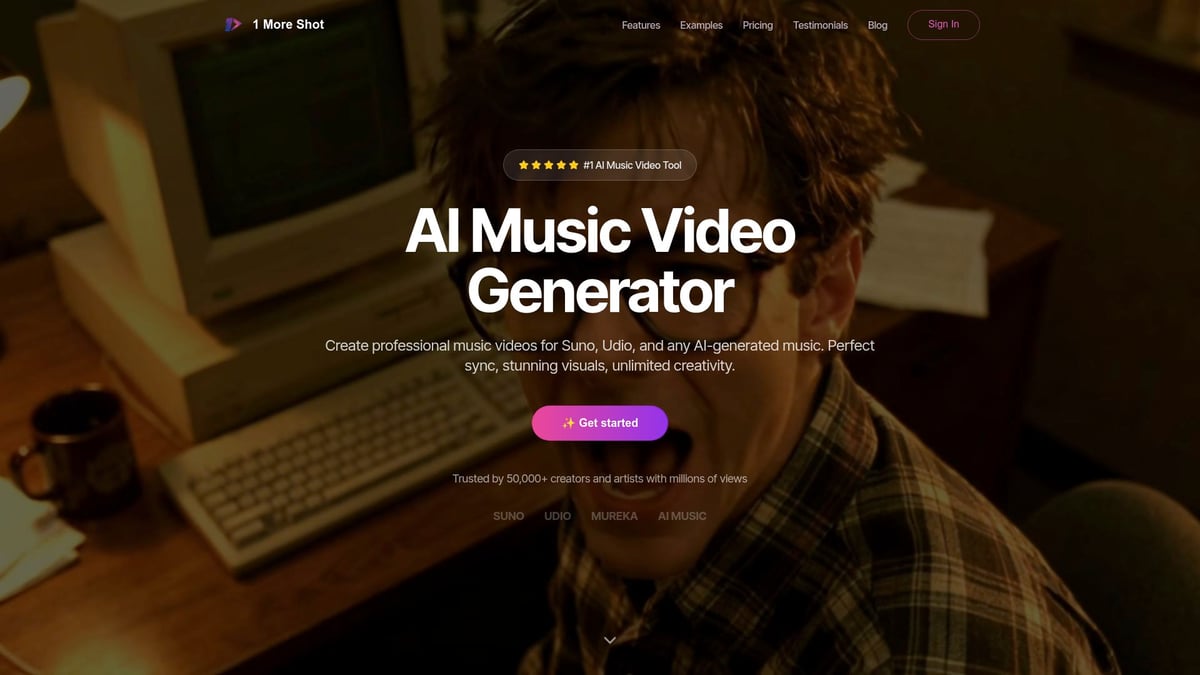
With over 50,000 creators and millions of views, 1 More Shot stands out for its high-quality, watermark-free downloads. Its intuitive interface empowers anyone to produce visually stunning music videos efficiently, leveling the playing field for artists and brands alike.
Step-by-Step Guide: Using AI to Create Video in 2026
Embarking on using ai to create video in 2026 means following a clear, actionable process tailored for today’s advanced technology. This step-by-step guide breaks down each essential phase, ensuring you make the most of AI’s capabilities and achieve professional, engaging results. Whether you are a marketer, educator, musician, or content creator, these steps will help maximize your workflow and output.
Step 1: Define Your Video Purpose and Audience
Success with using ai to create video starts by clarifying your objectives. Decide if your content aims to educate, entertain, market, or showcase music. Each goal requires a distinct approach, so define what you want viewers to learn, feel, or do after watching.
Next, identify your target audience. Consider demographics, interests, and preferred platforms. Are you reaching Gen Z on TikTok or professionals on LinkedIn? Tailor your messaging and visuals accordingly.
Aligning your video’s style with audience expectations is crucial. This ensures your message resonates and your AI-generated content achieves its intended impact.
Step 2: Choose the Right AI Video Tool
Selecting the ideal platform is a critical phase of using ai to create video. Start by listing your must-have features: text-to-video, avatar creation, multi-language support, or music syncing. Evaluate ease of use, output quality, and budget.
Here’s a quick comparison of leading tools:
| Platform | Best For | Key Features |
|---|---|---|
| OpenAI Sora | Realistic visuals | Text-to-video, fast render |
| Synthesia | Avatars, language | Multi-language, avatars |
| Runway | Creative effects | Style transfer, editing |
Check for trial options and read community reviews. The right tool will match your project’s needs and integrate smoothly with your workflow.
Step 3: Prepare Your Script, Assets, and Inputs
Preparation sets the foundation for using ai to create video effectively. Begin with a well-crafted script or prompt. For text-to-video models, clarity and detail are vital. Here’s a sample prompt for an explainer video:
Create a 60-second video introducing a new music app. Use upbeat visuals, modern fonts, and a friendly voiceover.Gather supporting assets like images, music, and voiceovers. Ensure you have proper rights or generate original content. Following copyright guidelines is essential for both legal and ethical reasons.
Step 4: Generate and Customize Video with AI
This is where using ai to create video comes to life. Upload your assets, input your script or prompts, and select templates or visual styles that fit your brand. Leading platforms offer real-time editing, scene arrangement, and preview features.
Leverage advanced AI for lip-sync, motion graphics, and beat synchronization. If you need a detailed walkthrough, refer to this How to make an AI video guide for practical tips on streamlining the process.
Experiment with adjustments as you preview your video, ensuring each element aligns with your vision and maintains audience engagement.
Step 5: Review, Edit, and Enhance Output
Quality control is essential when using ai to create video. Review the generated content for accuracy, pacing, and consistency with your brand’s tone. Watch for any errors or awkward transitions.
Make manual tweaks as needed:
- Trim or reorder scenes
- Add transitions or overlays
- Insert subtitles for accessibility
Utilize AI-powered enhancement tools for upscaling, color grading, or voice modulation. Each small improvement can elevate your video’s overall professionalism and viewer appeal.
Step 6: Export and Distribute Your Video
Now, focus on optimizing and sharing your work. Using ai to create video allows you to export in various formats: vertical for TikTok, horizontal for YouTube, or square for Instagram.
Best practices include:
- Selecting the right resolution for each platform
- Adding metadata, captions, and alt text
- Ensuring accessibility with subtitles
Upload your video to the chosen channels, scheduling posts for maximum engagement. Consistent branding and format adaptation boost reach and impact.
Step 7: Analyze Performance and Iterate
Continuous improvement is the final step in using ai to create video. Use analytics tools to track engagement, watch time, and conversions. Review what content performs best with your target audience.
Implement A/B testing for thumbnails, hooks, and calls-to-action. Gather insights from viewer feedback and performance data. Each iteration helps refine your strategy and maximize ROI.
Stay updated with the latest AI advancements, so your video production remains innovative and effective.
Best Practices for Maximizing Results with AI Video
Adopting best practices is crucial for success when using ai to create video in 2026. With rapid advancements, creators must focus on quality, ethics, and strategy to ensure their AI-generated content stands out, remains authentic, and drives measurable results.

Crafting Effective Prompts and Scripts
The foundation of using ai to create video lies in clear, purposeful prompts and scripts. Begin by defining the message and emotional tone. Break down complex ideas into concise segments that AI models can interpret easily. For text-to-video workflows, use structured prompts, specifying visual style, pacing, and transitions.
Consider referencing comparisons like AI vs traditional music videos to understand how prompt quality impacts the creative process and final output. High-performing scripts often blend storytelling with direct calls to action, ensuring each scene serves a distinct purpose. Experiment with prompt variations and review AI-generated drafts to refine narrative flow.
Ensuring Brand Consistency and Authenticity
Maintaining brand identity is essential when using ai to create video. Define strict visual guidelines, including color palettes, logo placement, and font choices, then implement them consistently across all AI-generated assets. Establish a clear tone of voice that aligns with your brand values and audience expectations.
Avoid generic or templated content by customizing AI outputs. Regularly audit videos for authenticity, ensuring the final product resonates with viewers and reflects your unique brand story. Over-automation can dilute your message, so balance AI efficiency with creative oversight for best results.
Managing Copyright, Ethics, and Transparency
Responsible use is vital when using ai to create video. Always source assets—images, music, and voiceovers—from reputable, licensed libraries or generate original material. Disclose AI involvement in your content, especially when using synthetic voices or avatars, to maintain transparency with your audience.
Be mindful of ethical concerns such as deepfakes, misinformation, and potential bias in AI models. Establish internal guidelines for reviewing and approving AI-generated content. Regular training and staying updated on regulations will help your team avoid legal or reputational risks.
Optimizing for Platform Algorithms and Audiences
Each social platform has unique requirements, so optimize your approach when using ai to create video. Tailor video length and format—vertical for TikTok, horizontal for YouTube, square for Instagram. Adapt hooks, captions, and visual style to match platform trends and audience preferences.
Recent data shows 41% of brands using AI for video, highlighting the growing competition. Analyze performance metrics to identify top-performing video types and iterate accordingly. Experiment with A/B testing to refine your strategy and maximize reach.
Collaboration and Workflow Integration
Seamless collaboration is essential when using ai to create video at scale. Leverage cloud-based platforms, shared asset libraries, and project management tools to streamline teamwork. Assign roles for scriptwriting, asset curation, editing, and final review to ensure accountability.
Integrate AI video creation into your broader content workflow. Use feedback loops to capture insights from team members and stakeholders. Regularly update your toolkit to stay ahead of evolving AI capabilities and industry standards.
The Future of AI Video Creation: Trends and Predictions
The landscape of using ai to create video is evolving rapidly, with new technologies and creative possibilities on the horizon. Understanding these future trends will help creators, businesses, and marketers stay ahead as AI continues to transform the video production industry.
Next-Generation AI Video Capabilities
By 2026, next-generation AI models are pushing the boundaries of what’s possible when using ai to create video. Advanced platforms like Runway’s Gen-4 AI video model are enabling real-time 3D rendering, interactive video experiences, and personalized content at scale. These tools allow for hyper-realistic avatars, seamless background changes, and dynamic scene generation based on user input.
Creators can expect even more integration between text, audio, and visual inputs, resulting in videos that adapt to audience preferences in real time. As R&D continues, look for features such as live audience interaction, branching narratives, and immersive AR or VR video content to become mainstream.
Democratization and Accessibility
The expansion of using ai to create video is making professional-quality production accessible to creators worldwide. AI video tools are lowering barriers related to technical skills, equipment costs, and language, opening new doors for diverse voices and stories. According to AI video market growth projections, the market is expected to surge as more individuals and small businesses adopt these platforms.
Multilingual support, automated editing, and template-driven workflows mean anyone can produce engaging videos, regardless of background or resources. This democratization is fueling a surge in global content creation, driving new trends and connecting audiences across cultures.
AI and Human Creativity: Collaboration, Not Competition
A key trend shaping the future is the collaboration between human ingenuity and AI capabilities when using ai to create video. Rather than replacing creative professionals, AI acts as a co-pilot, handling repetitive tasks and providing suggestions while humans retain creative direction and authenticity.
Experts predict that the most impactful content will blend AI-generated assets with human storytelling, emotion, and vision. This synergy will enable faster experimentation, unique visual styles, and more personalized viewer experiences. Creators who embrace AI as a partner will have a competitive edge in this evolving landscape.
Regulatory and Societal Impacts
As using ai to create video becomes more widespread, regulatory frameworks are emerging to address ethical concerns, copyright, and transparency. Governments and industry groups are developing guidelines for labeling AI-generated content, protecting intellectual property, and ensuring responsible use.
Public sentiment is also shifting, with audiences seeking greater transparency about how videos are made. Trust will become a key factor, and creators will need to communicate clearly when AI is involved in their production process. Staying informed about regulatory changes will be essential for anyone leveraging AI video tools.
Preparing for the AI Video-First Era
To thrive in a world where using ai to create video is the norm, creators and businesses should focus on continuous learning and adaptability. Upskilling in prompt engineering, video editing, and AI ethics will be crucial. Exploring new platforms, attending workshops, and joining creative communities can help you stay current.
Resources for ongoing education include online courses, industry webinars, and networking groups. Embracing experimentation and innovation will position you to take full advantage of AI video trends as they emerge. The future belongs to those who are proactive, curious, and ready to innovate.
As we’ve explored, AI video creation in 2026 is reshaping how we tell stories, market brands, and share music with the world. Whether you’re an artist, marketer, or entrepreneur, the opportunity to create professional, engaging videos has never been more accessible—or powerful. With platforms like 1 More Shot, you can bring your creative vision to life effortlessly, leveraging advanced AI for precise beat syncing, real-time previews, and high-quality results without the usual barriers. Ready to put these insights into action and see what you can create next?
Start Creating Now